
A Bird’s Eye View: Archiving David Byrd’s Legacy
Meeting David Byrd in 2012 altered my life. However, it wasn’t until after his death that the impact of his legacy really soaked in and changed me. It’s been an awakening that led me on an odyssey to better understand myself, my family, and my community.
In 1988, David Byrd moved to the Catskill Mountains, just a few miles from my home in Sidney Center, N.Y. The area is partly idyllic—a Grandma Moses painting come to life with Holstein cows dotting the hillsides—and partly a decaying wooden world beaten down by poverty, weather, and time. This forgotten outpost is the perfect locale for a recluse, an outsider, or an artist like David Byrd. He lived on eleven acres in the home he built. The structure is both elegant and quirky. It seems to have sprouted from the gentle hills around it. It’s arguably the largest artwork in David’s oeuvre. Within this stone and wood fortress, he unpacked decades of observations and memories, some painful. He said that by retiring and having built his home to paint in, he’d finally be free.
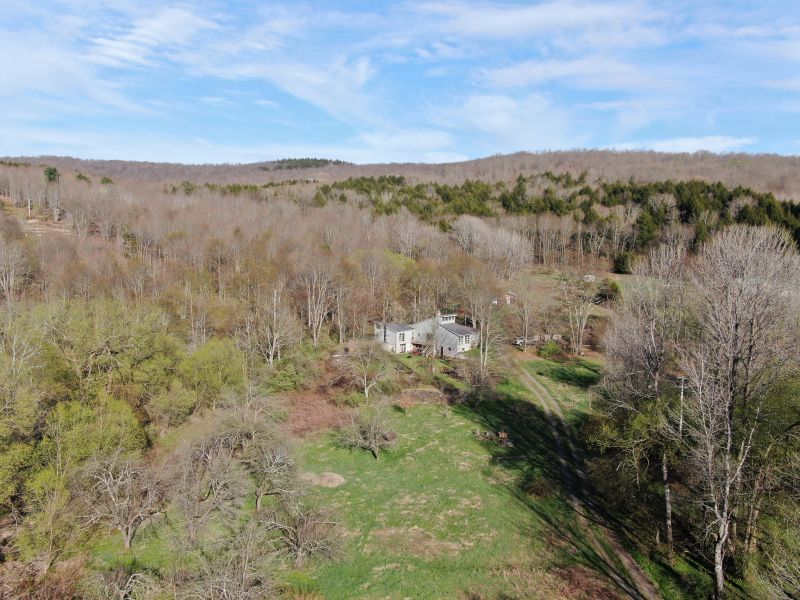
David Byrd’s home and studio in the Catskill Mountains
In 2012, I met David while working on an art project with my friend and colleague, Jody Isaacson. A mutual friend thought the two of us, both artists in our own right, would make a great team. Little did we know at this time the direction our lives would soon take. I had been involved in a variety of community projects for years. The plan was to revitalize the former Sidney Center elementary school that my children once attended and had been the hub of the hamlet. Jody and I were enthusiastic about utilizing this vacant facility. We started Maywood Arts with several friends and were organizing a group show of elderly artists, many of whom had never shared their work publicly, when Jody met her neighbor, David Byrd. To our amazement, a great artist had been living in our midst for years. Since that first show, a good part of my life and Jody’s life has been devoted to David Byrd and his legacy.
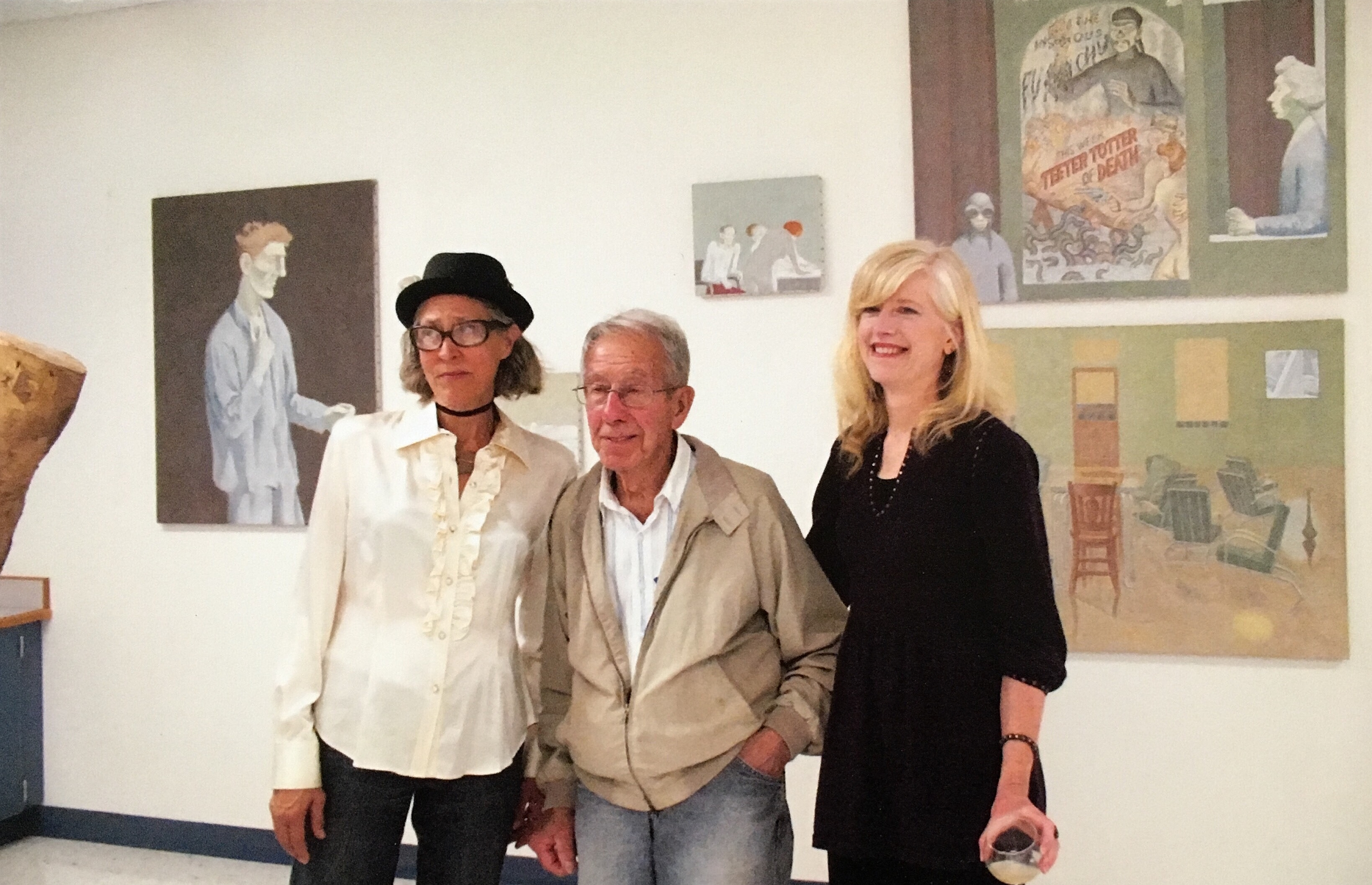
Jody Isaacson, David Byrd, Jessica Farrell, Maywood Arts exhibition, Sidney Center, NY, 2012.
Standing in David’s home for the first time was surreal. I’d walked into the most astounding one-man show that I will likely ever experience—a lifetime of artwork surrounding the man in the home he’d built! For twenty-three years, David and I had been frequenting the same places—the post office, the hardware store, the grocery store, and the laundromat—but we’d never met. I recognized all these places and people in his paintings. We’d been attending the same auctions, hoping for a good deal or fending off cabin fever on a winter night. I even spotted the local auctioneer and his wife in several paintings. Amazingly, David had captured all the drama. Spare compositions in a muted palette revealed different chapters of his life—David’s family in Illinois during the Great Depression, nostalgic scenes of Brooklyn, panoramic landscapes from his daily commute to his job as an orderly at the VA hospital, and more. However, it was the ethereal and provocative paintings David made of the patients in his care, going about their daily routine in every conceivable situation and contortion, that stopped me in my tracks. They squarely confronted me. I felt uneasy. I have a family connection to mental illness. Something I’d never explored, rarely talked about, and, regretfully, never mentioned to David.
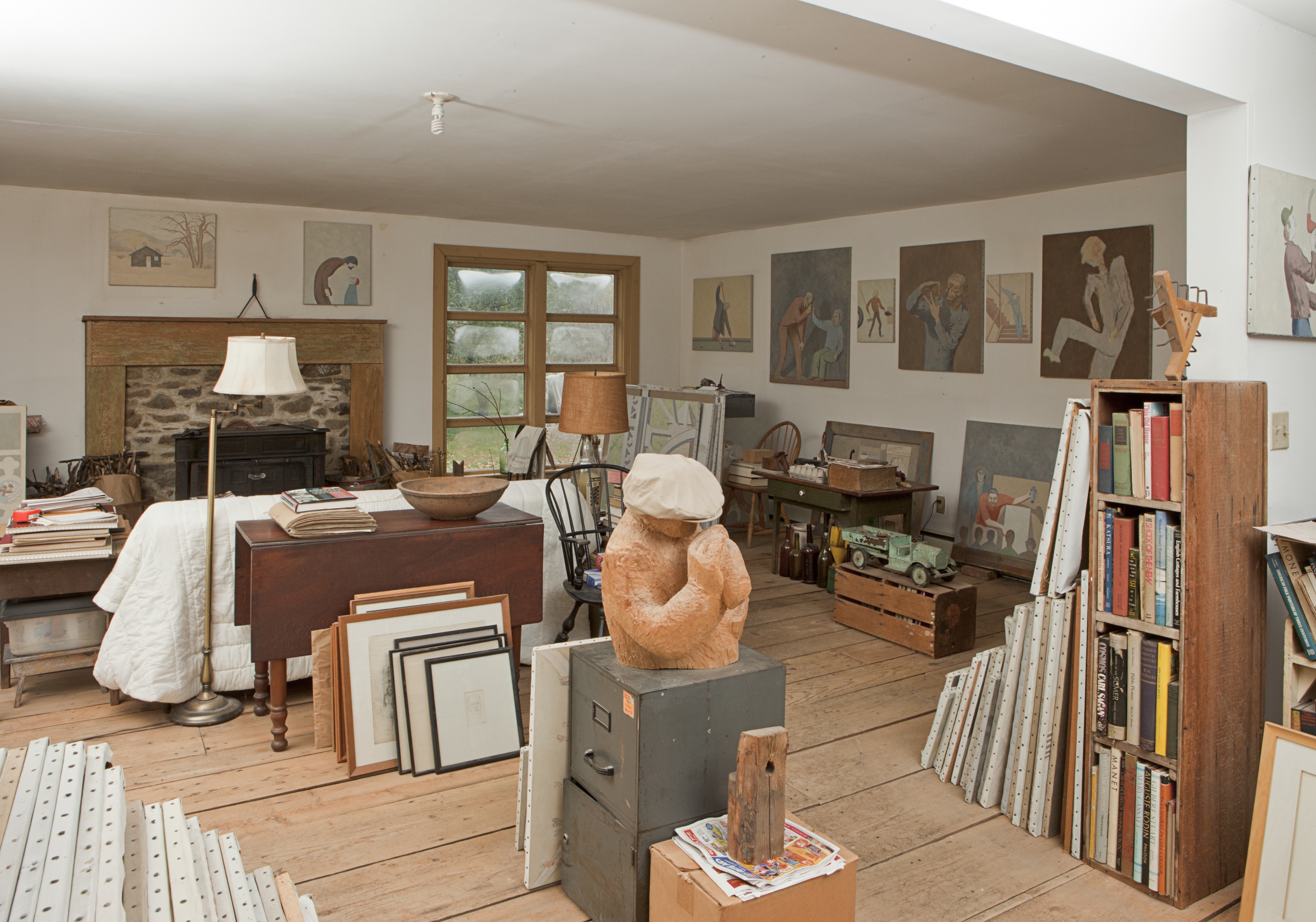
David Byrd’s living room, 2013
There was a familiarity about David. His humble demeanor, cadence, and accent were reminiscent of my past. We were both born in Illinois and grew up in the Midwest. I recognized his salt-of-the-earth, no-nonsense manner. He was very pleased to have two attentive women appreciate his lifetime of work. As I got to know David better, I saw other sides of his personality. I mostly sensed a great loneliness in him. He’d built an incredible home and filled it with all the facets of his life, but it did not replace what I believe he longed for most—human contact.
In reflection, the time with David feels like a flurry of activity. There was a palpable sense of urgency to get his work seen; the clock was ticking. Unfortunately, his health began to fail rapidly, and just as suddenly as he came into mine and Jody’s lives, he was gone. It was after David died, while archiving his life and body of work, that I truly got to know him. Sometimes I imagine the conversations I could have with him now, having all this background material in my head. I long to fill in holes that will likely remain a mystery forever. Most people who knew David are gone. Also, he was highly secretive and protective of his artwork. He knew people for years and never mentioned he was a painter. When he traveled to the Seattle show, he worried about the paintings left in his home. Ultimately, his artwork was his family.
The archiving began while David was alive, but in 2015 it became much more focused and expanded with PanOpticon, a premier artists’ catalogue raisonné database. Unlike many artists, all known works and ephemera were in the home. The mechanics of the project—sifting through and organizing piles of material—began to slowly and beautifully reveal an elaborate artistic roadmap. The CR was the perfect tool to expose it. I thought of it as a giant puzzle. I could not wait to find the next “piece” that might be found in an artwork, a photo, or a letter. Case in point: the painting No Left Turn. What is the meaning of this odd abstraction combined with David’s title? The painting has 13 small drawing studies—the greatest number linked to any painting. Then I started reading David’s letters related to a number of small claims court cases that involved minor accidents in his car. Was he working out aggravation in the best way he knew how?
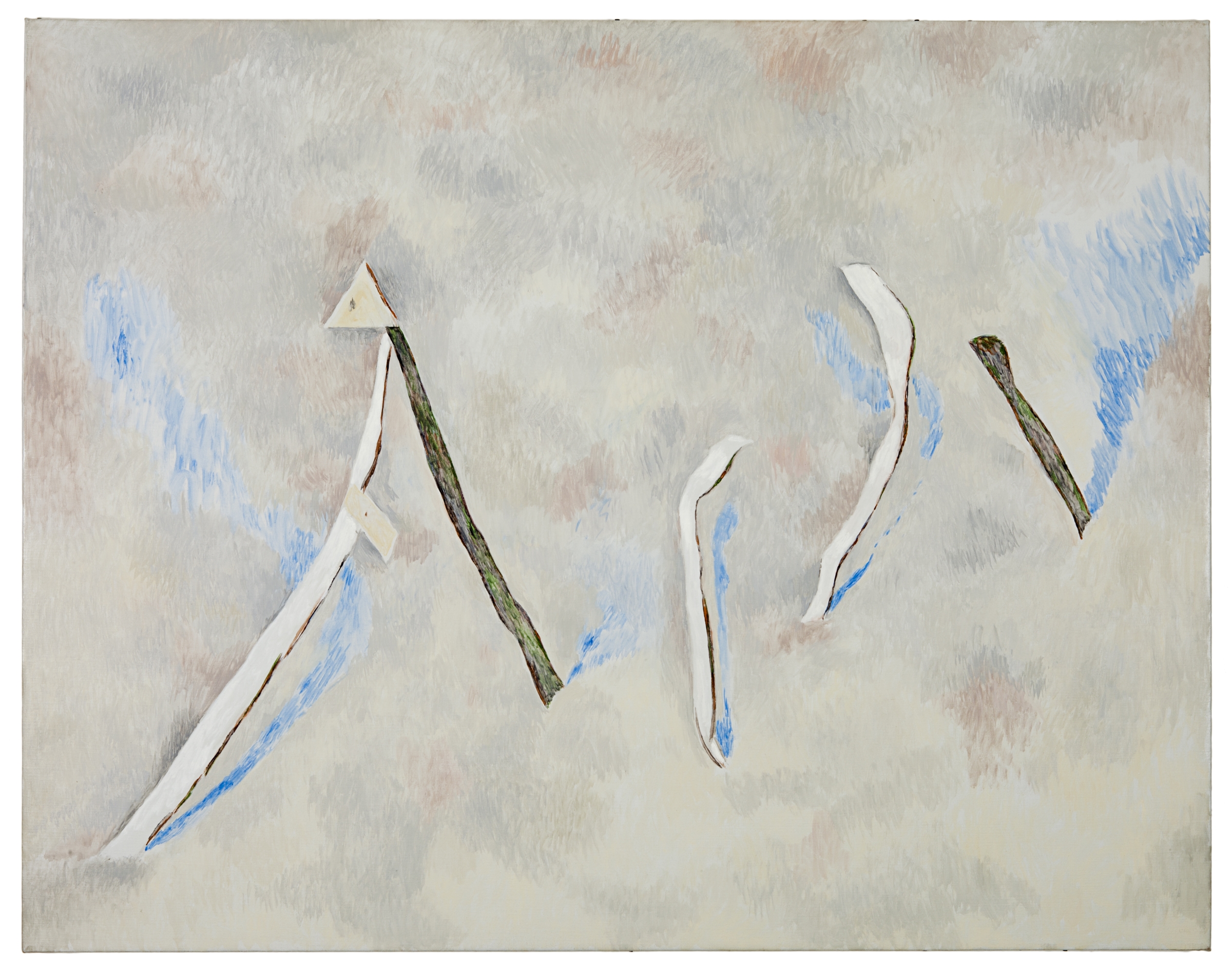
No Left Turn (P287), undated, oil on canvas, 33 x 42 in.
David’s writings give us great insight into his reclusive life. They were found in the loft of his home, along with wardrobes of beautiful suits, shoes, and maybe 50 Brooks Brothers shirts—some still in plastic. The clothing was a surprise, as the David that Jody and I knew wore faded jeans, a jean jacket, and a rumpled hat. The clothing remains a mystery. However, the letters introduce us to all the people in David’s life. The oldest is a group of letters written from 1935–1940 by the Byrd children in Illinois to their mother in Brooklyn, NY. There’s a larger group of letters to bottle and patent collectors from 1978–2006. Although often described as inconspicuous and a loner, David had a social life through buying and selling bottles. In a note—perhaps to himself—David mentions the rivalry between his bottles and paintings. “It’s a funny thing about my bottles and jars. I paint pictures and I find my pictures wanting the attention so much so that I have to put the bottles away. They seem to cause confusion when together the bottles take away from the pictures instead of adding or coexisting, good bottles and jars are very egotistic. I just have a problem like all painters too many pictures stacked against the wall and too many cartons of bottles.”
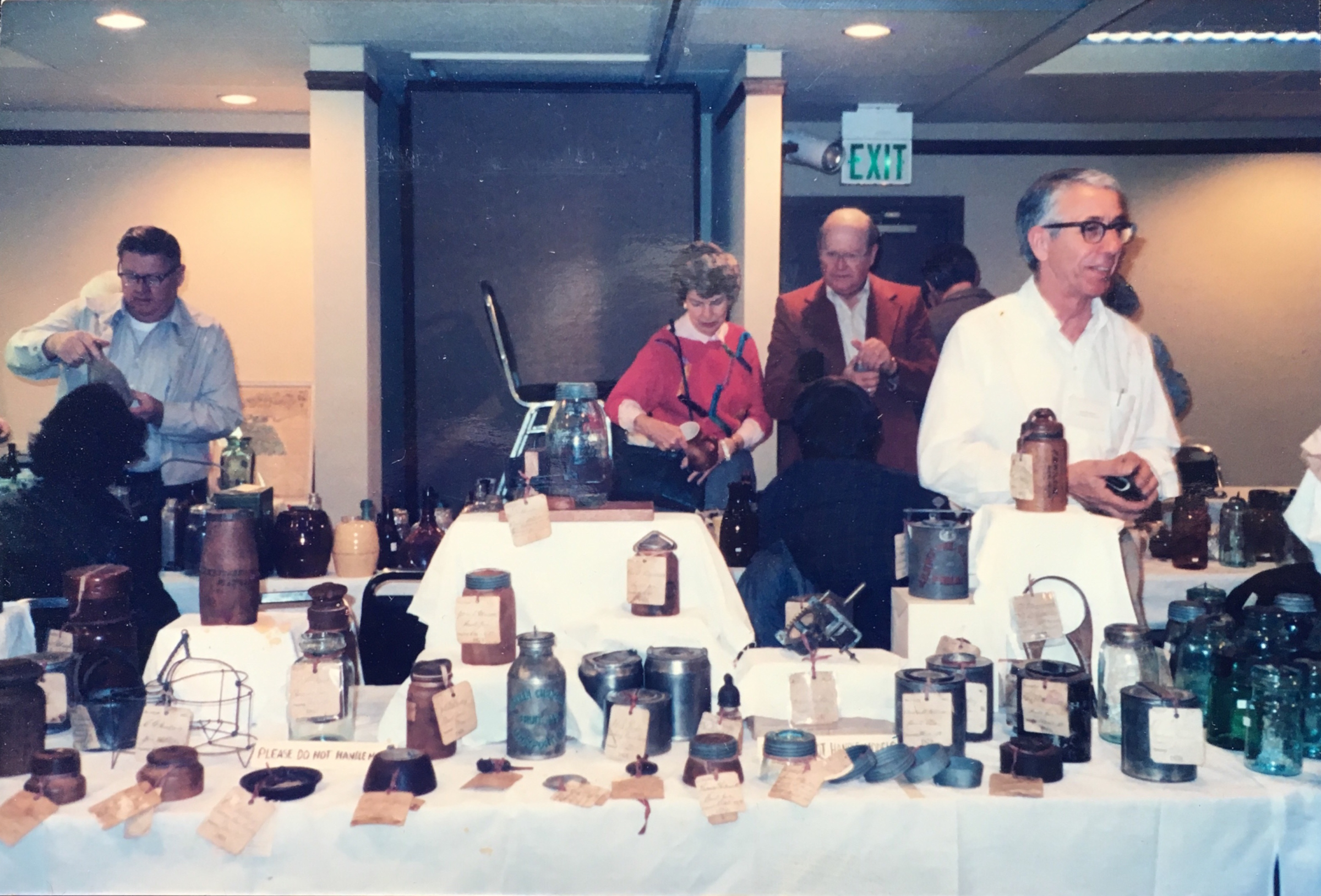
David Byrd at a bottle show, circa 1970s
David’s writings to his Aunt Emily and sister Mary were a treat to read. They are sincere and peppered with a folksy Midwest humor, revealing facets of his daily life in Sidney Center and his past in Springfield, Illinois. In a letter to Aunt Emily, David describes building his home: “What a summer. Building the house in a lot of heat. I’m seeing rocks in my soup. I’m so preoccupied with them. Feels like I’m building the pyramids. It goes on forever.” The last letter to Aunt Emily is dated 1989. Shortly afterwards, David began writing to Mary, and continued until 2006. He outlived both of them. I was pleased to see the bond David had with these two women, as the relationship with his mother was fraught with disappointment and difficulty due to the disintegration of his childhood family—a mentally ill father, an absent mother who moved to Brooklyn in search of employment and foster care for the Byrd children. David muses to Mary about their mother in a 2003 letter, “People our age are dropping dead all the time, and I don’t know what to do about it. Except to continue to paint, try to solve problems, and make plans. Hard to be right, easy to be wrong. Do you think Mom should have painted pictures? She was so strange, unhappy, and ignorant. It might have been about an outlet.”
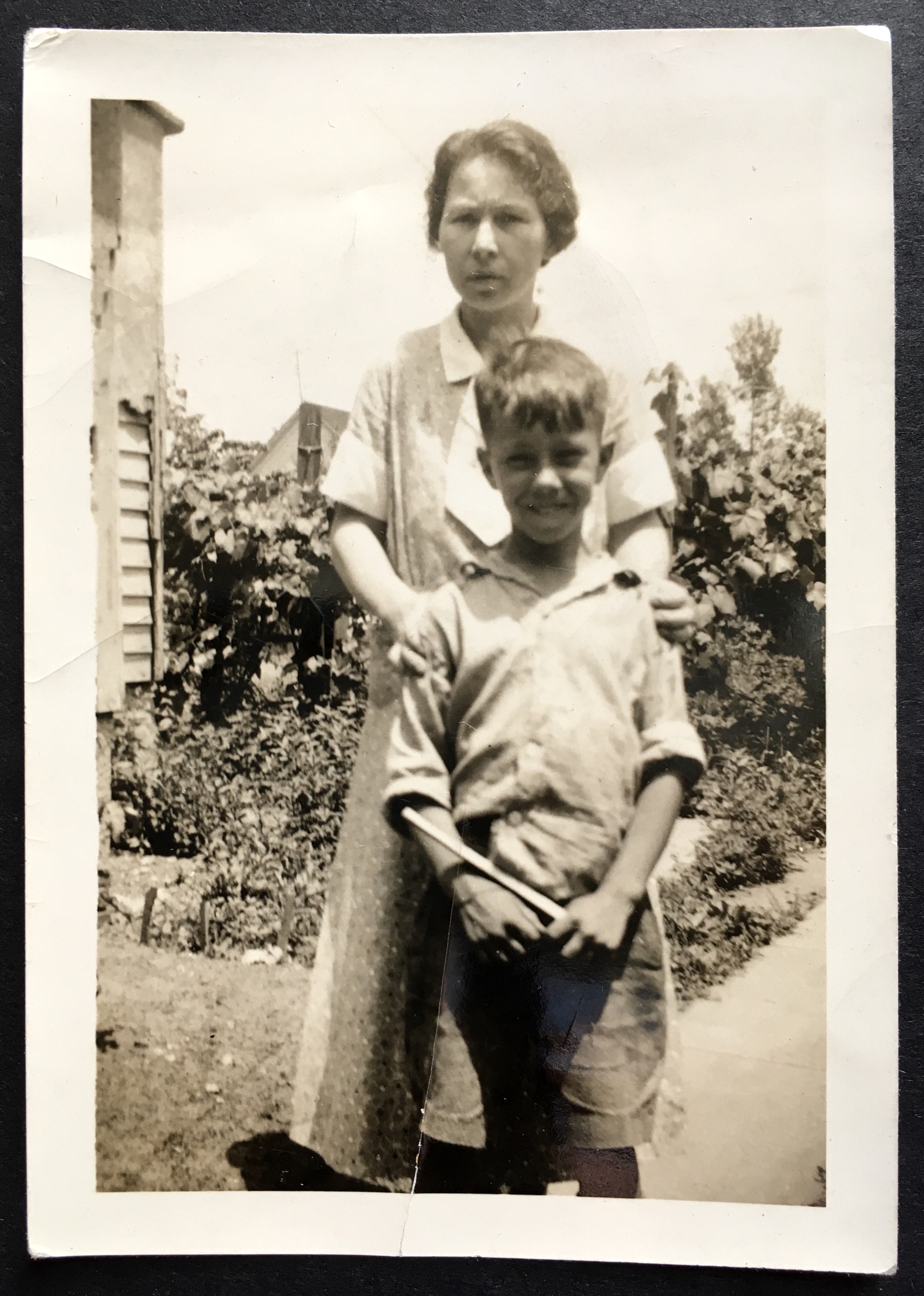
David Byrd and his mother, Eva Byrd, circa early 1930s
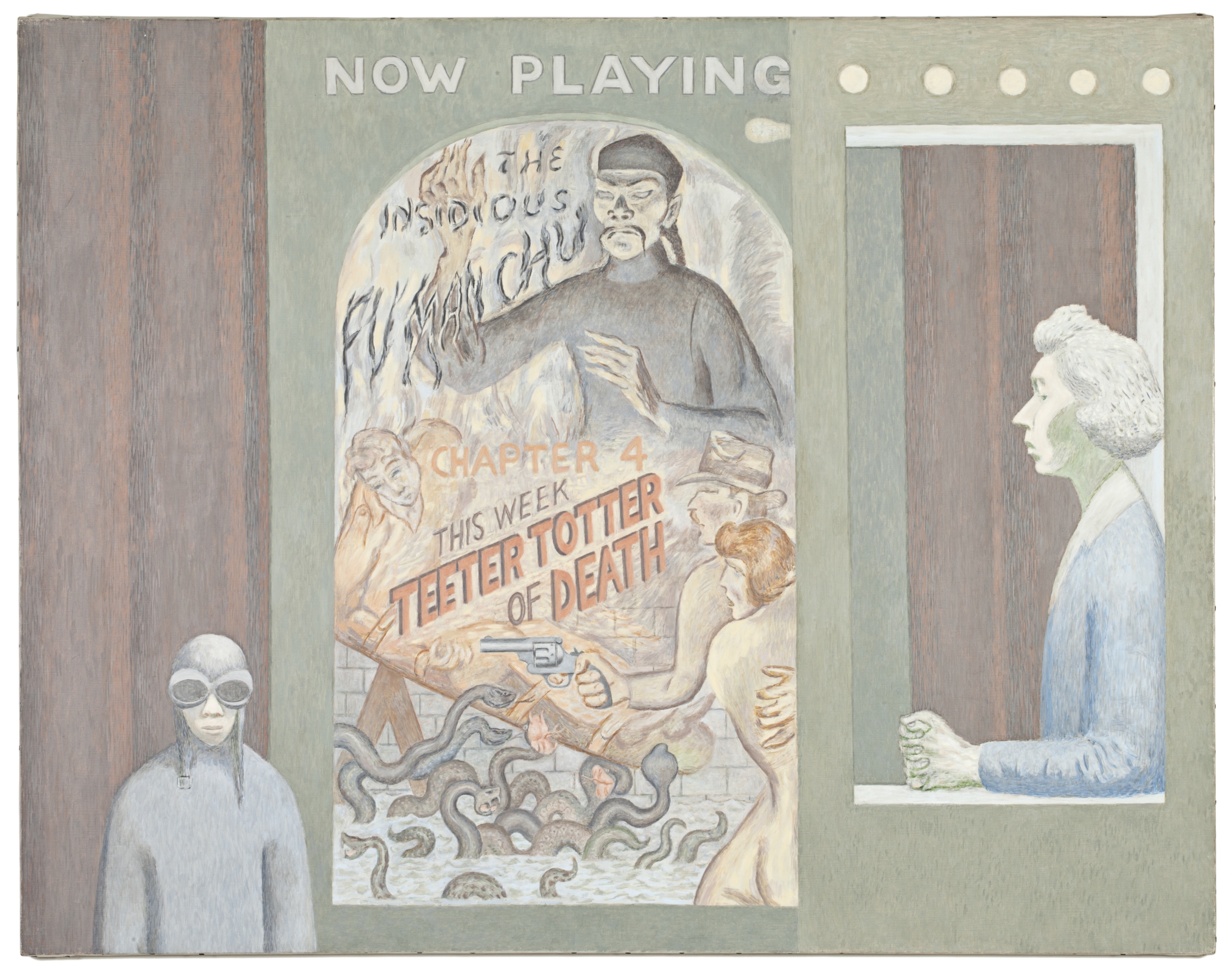
Chapter Four (P255), 1994, oil on canvas, 33 x 42 in.
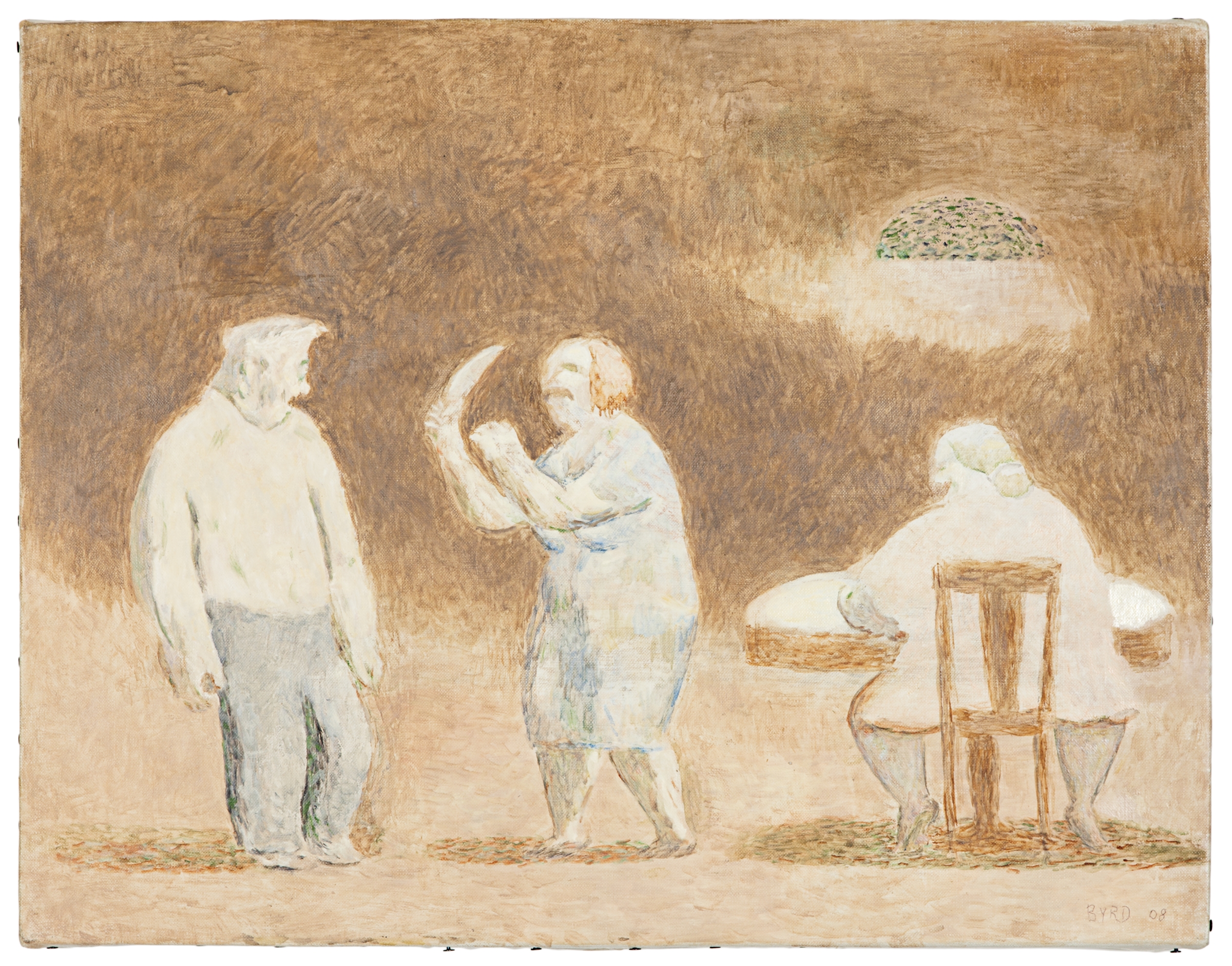
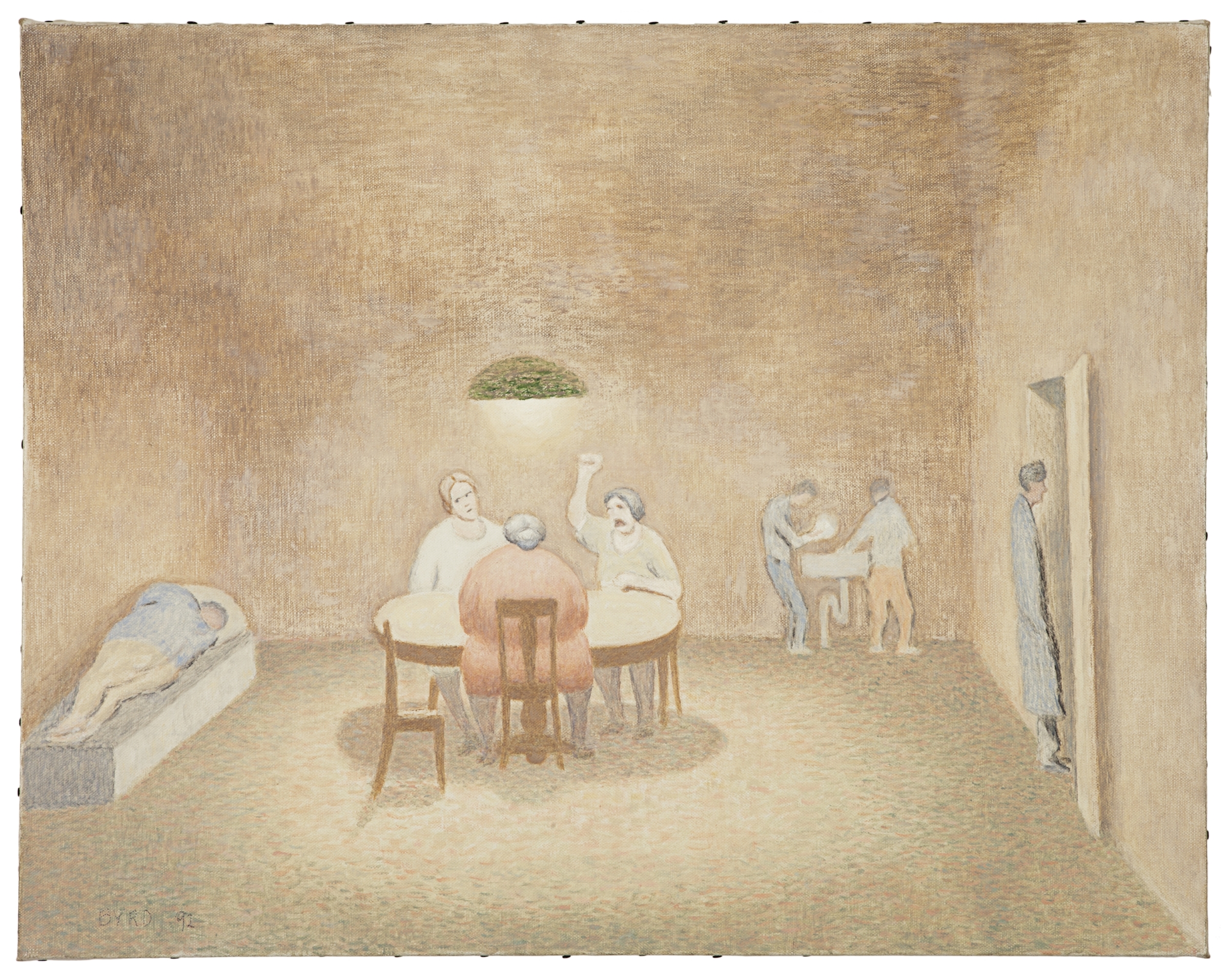
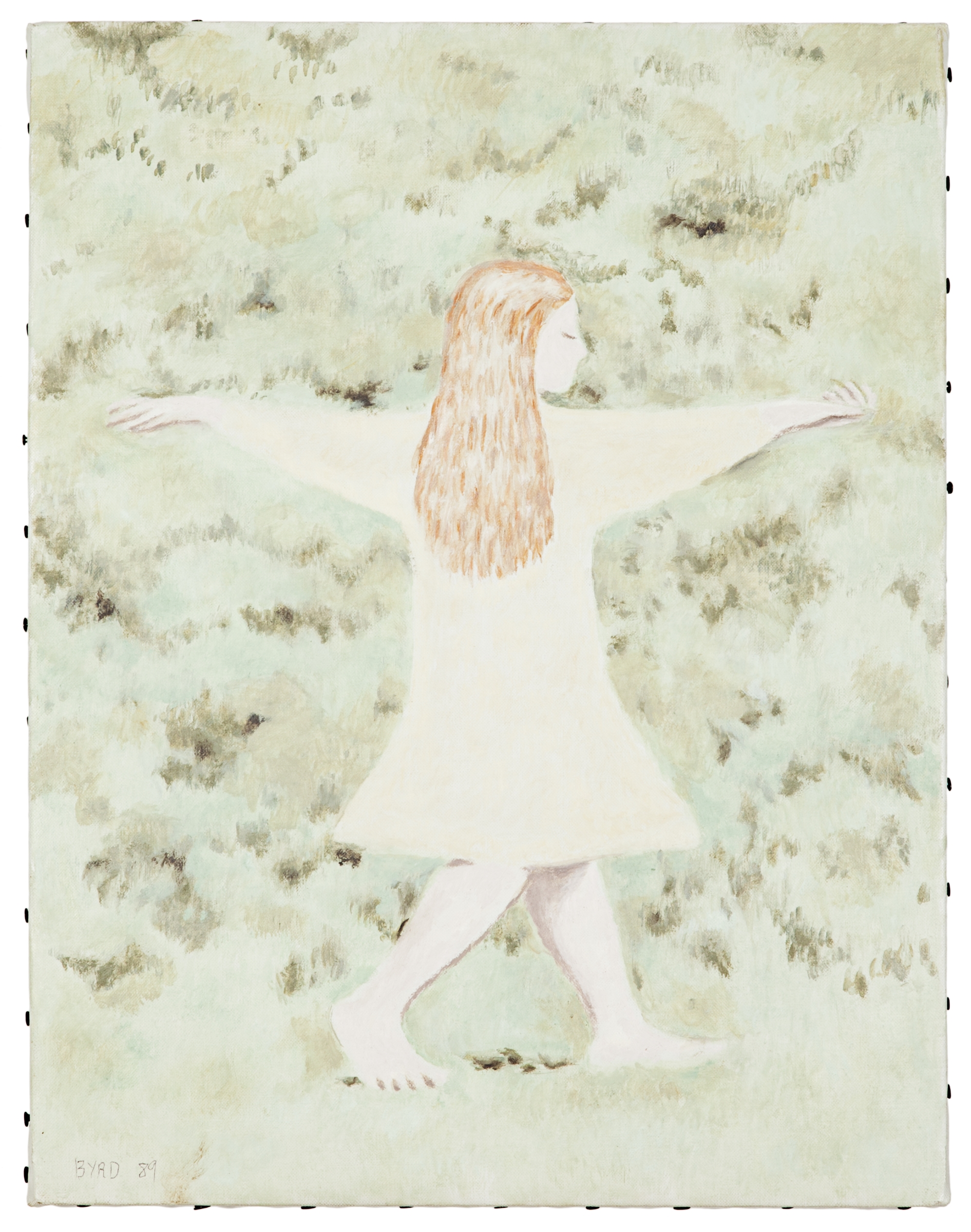
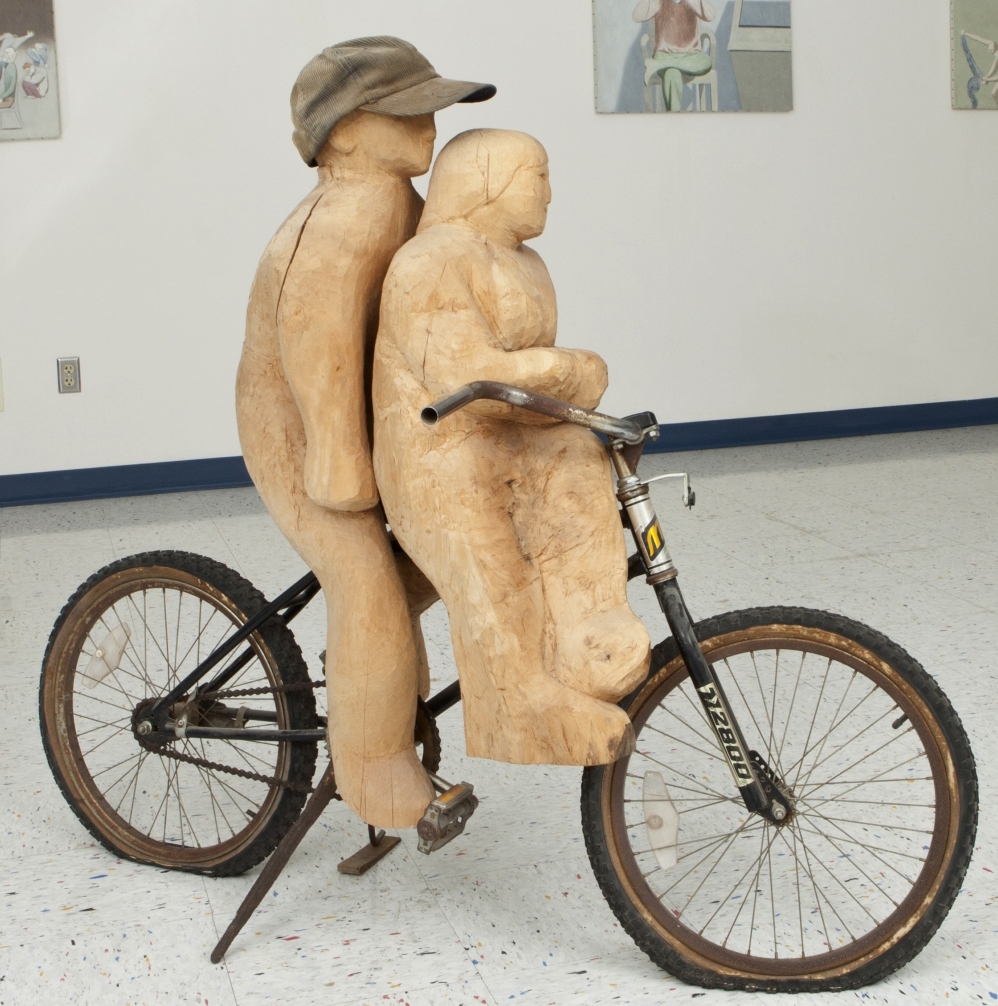
There was a visceral side to handling the artwork and artifacts as well—holding each item, examining it, and cataloging it. Suddenly I was a voyeur peering into scenes that were raw, tense, and painful. The paintings and drawings related to David’s childhood are heartbreaking. However, when combined with the Byrd children’s letters, they take on a more complex meaning. Despite living through what is depicted in the paintings Domestic Violence and in A Hell of an Evening, a tenderness and resiliency shone through. In a letter written by David’s brother, William, to his mother in 1937, he sums up the loss the children have been experiencing since she left Springfield. He proudly writes that he had graduated middle school, joined the scouts, and received 50 cents for cutting the grass. Then, in the next paragraph, he continues, saying, “Come home as soon as possible. Or send a picture of you we are beginning to forget what you look like.” Some of the words are underlined. He signs off by asking his mom to write back soon and lists the children’s names—this part is written backwards, a secret code to mask the weight of his words. In another letter, Carl, the oldest Byrd sibling who admired David’s artistic ability, writes to his mother, “The kids are doing well. Especially David. He’s the one that’s going to take the cake in this family.” Late in life, David created playful works, some with found objects, that tapped into a childlike part of himself—Imagining the Dance, Scooter Girl, Bicycle Couple, and others. Knowing about his family adds poignancy to these pieces.
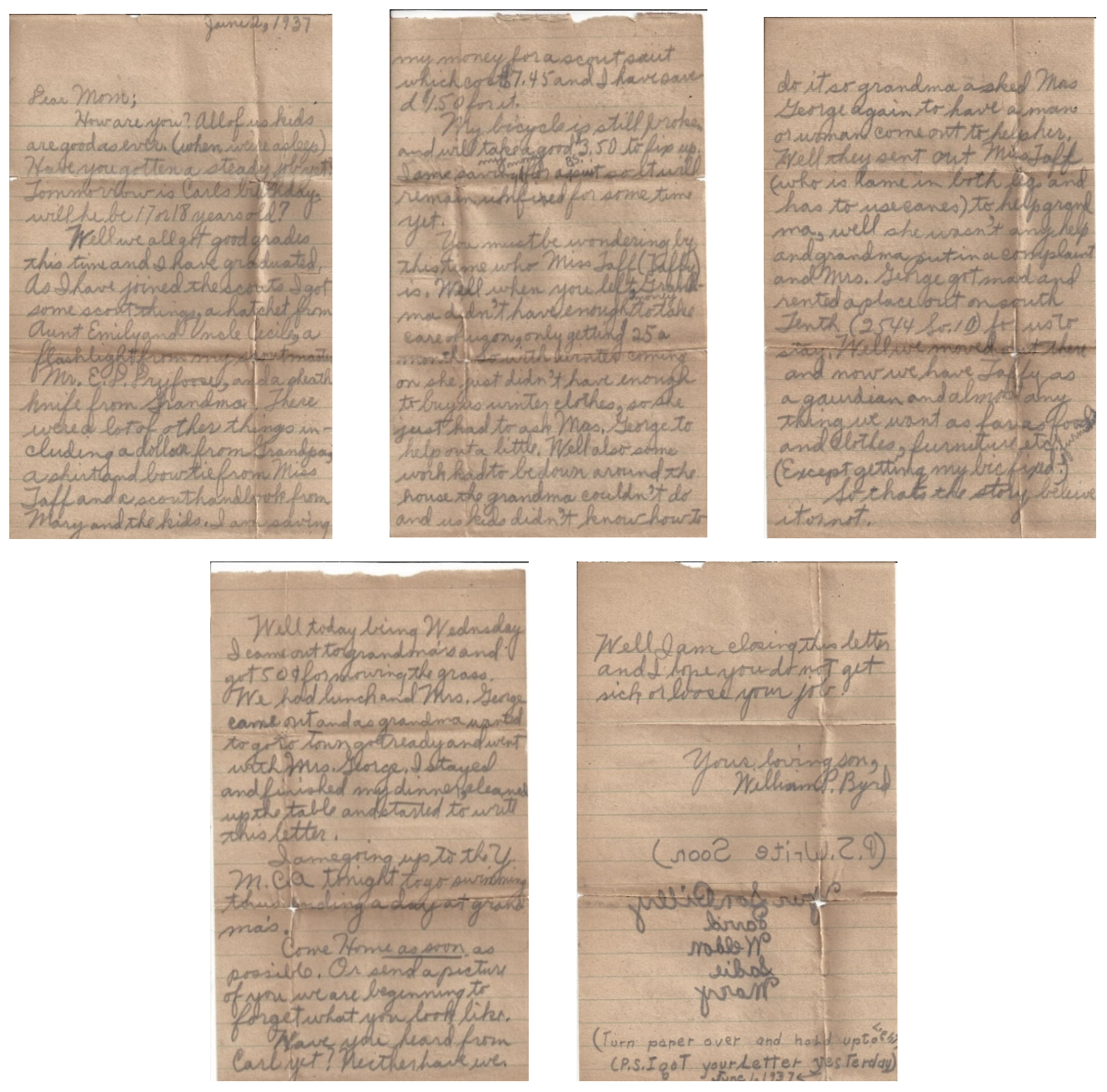
William Byrd’s letter to his mother, Eva Byrd, June 2, 1937
 |
 |
Domestic Violence (P18), 2008, oil on canvas, 15x 19 in.;
A Hell of an Evening (P202), 1992, oil on canvas 19 x 24 in.
 |
 |
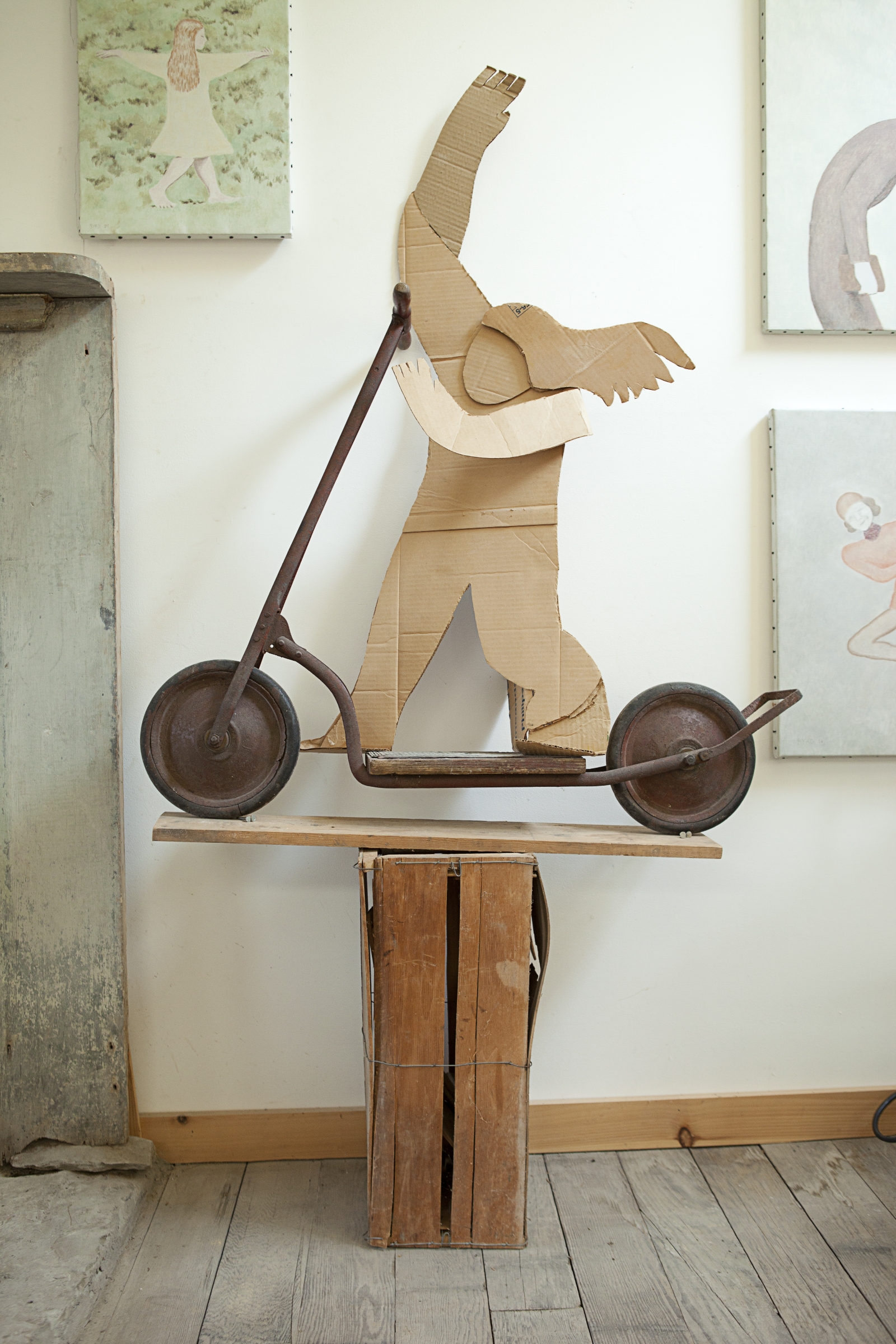 |
Imagining the Dance (P80), 1989, oil on canvas, 18 x 14 in.; Bicycle Couple (SC/A-6), undated, wood and child’s bike, 48 x 57 x 15 in.; Scooter Girl (SC/A-9), undated, cardboard, and old scooter, 80 x 42 x 10 in.
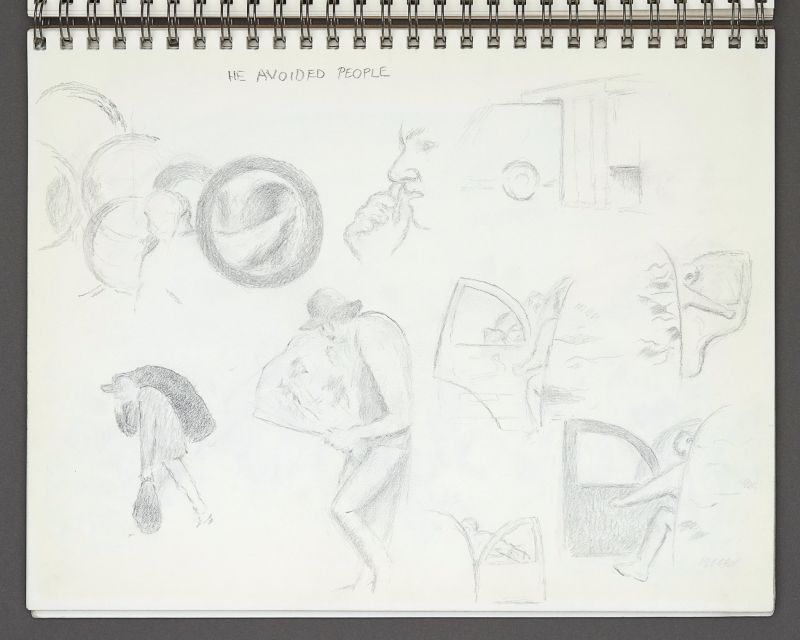
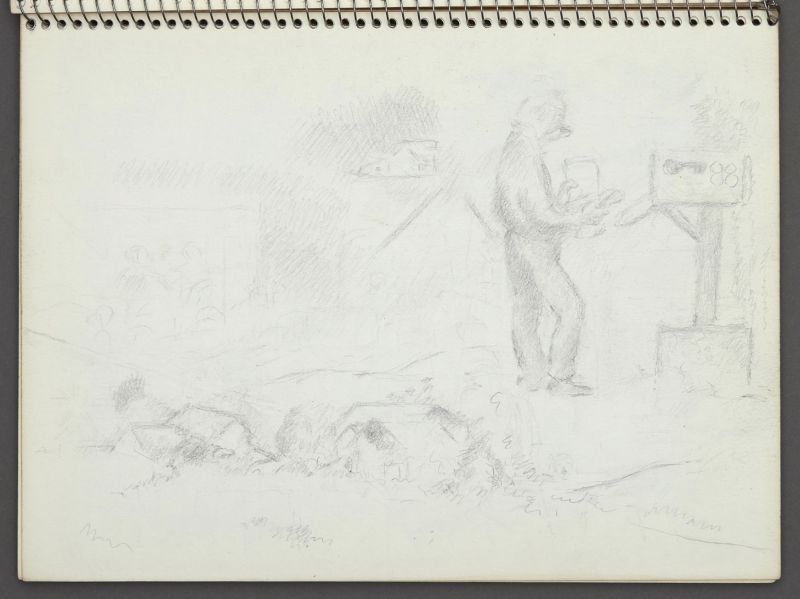
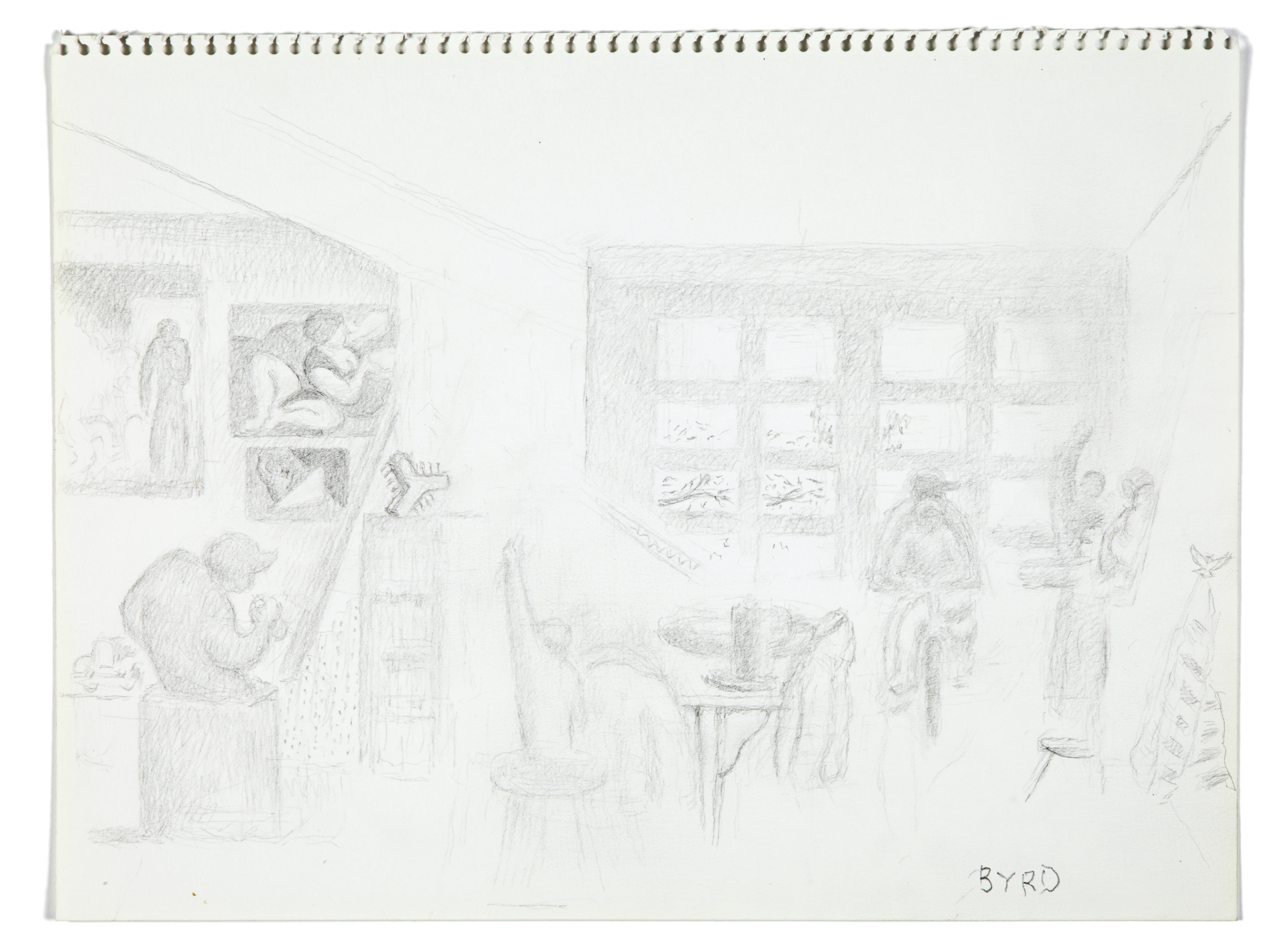
The works on paper are revelatory and expose David’s keen skills of observation and aptitude as a draftsman, giving us a broader historical perspective of his artistic biography. Many of the drawings in the sketchbooks detail life in upstate New York. Knowing the location and the vantage point rendered, I am certain David was sketching people from his car while in the parking lot of the laundromat, the gas station, or the grocery store. In these every-day scenes, he captures the full spectrum of the human condition in all its glory, often veering into the bizarre and comical. Sometimes, at the edge of a drawing, David jots down a kernel of wisdom, summing up the scene. At the top of Sketchbook 3, p. 24, a study for the painting Laundromat Scene, David proclaims, “He Avoided People.” The sketch includes a variety of vignettes of men: one huddled over a newspaper, one bent under the weight of a laundry bag, another picks his nose, and other men are exiting cars and resemble spies. Who is avoiding people here? Although none of the studies are self-portraits, David turned “avoiding people” into an art in his own life. In Loose Sketch 94, a topless woman sits at a table, coffee cup in hand, looking out a window. At the top of the page, David wrote, “A bird nest out the window.” However, in the bottom right corner, he adds, “Her pussy belongs to the Catholic Church. Husband only there to do a job and take orders.” I am unsure who this woman is to David. However, the lettering in the lower note is bold, slightly smudged, like he might have been bearing down in frustration. In Sketchbook 1, p. 15 recto/verso, a study for the assemblage, Chair & Mailbox, David turns the lens on himself in several drawings of him retrieving his mail. In the recto, he stands casually at the mailbox, a regular guy. However, he reappears on the verso, exaggerated and swooping wildly, resembling one of his patients at the VA. David turns a daily task into a dance of gestures.
 |
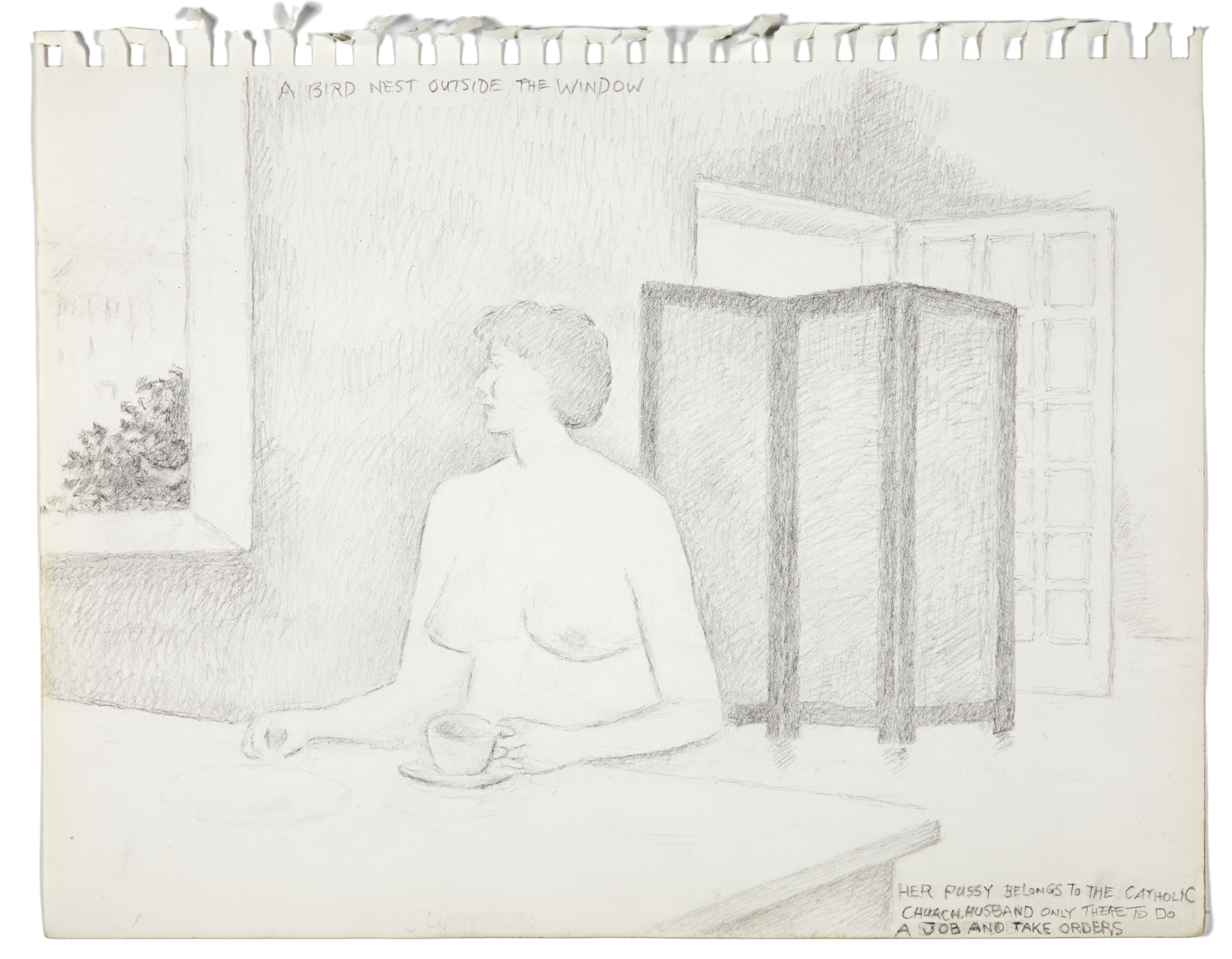 |
Sketchbook 3, p.24 (SK3-24) undated, pencil on paper 11 x14 in.; Loose Sketch 94 (LS-94), undated, pencil on paper, 11 x 14 in.
 |
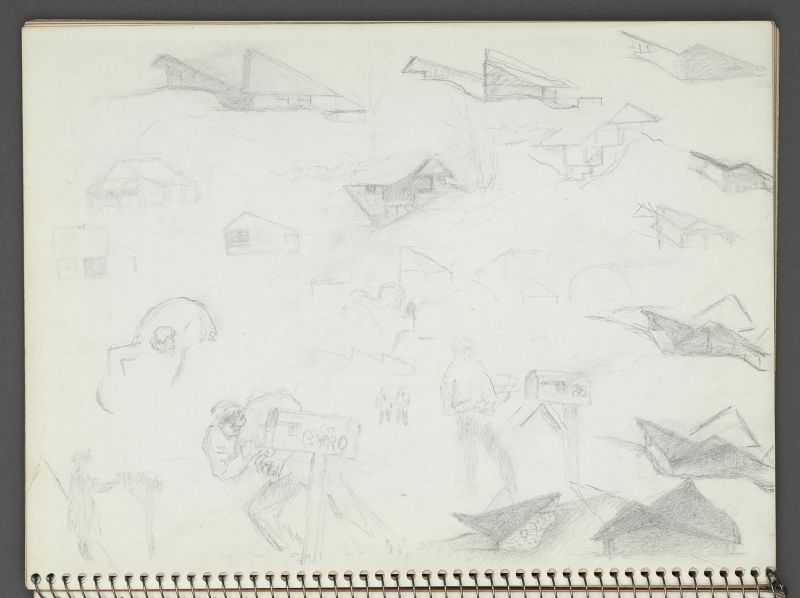 |
Sketchbook 1, p. 15R & p. 15V (SK1-15 R/V), undated, pencil on paper, 9 x 12 in.
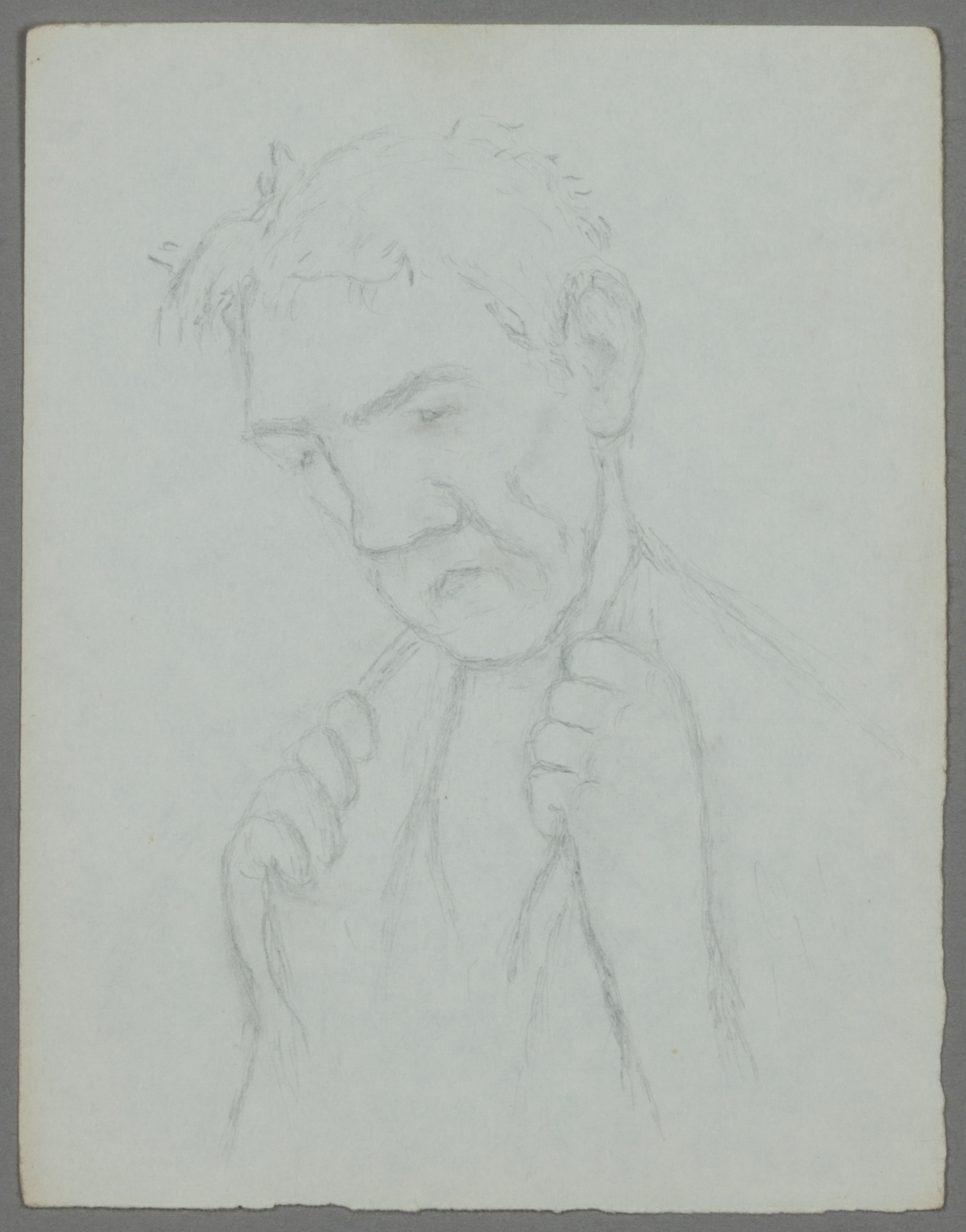
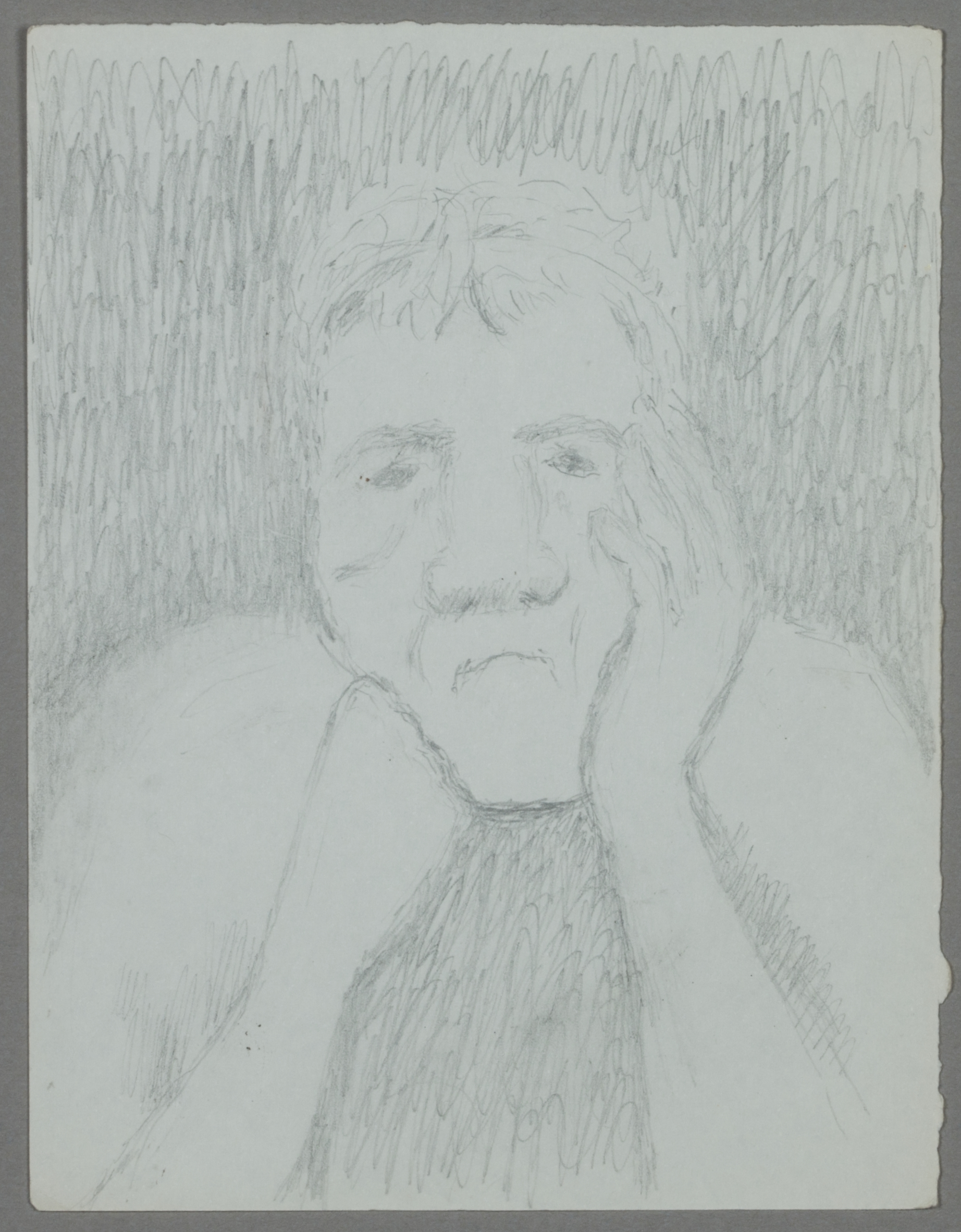
The small drawings, 4 1/4” x 5”, often on quartered sheets of VA paper, are vast and varied. They range from careful, detailed studies to more expressive renderings. Most of these exquisite, diminutive works are of the patients and studies for later paintings. Singular figures and groups amble down forgotten hallways. Bodies arching, bowing, drooping, twisting, and wilting—often heavily medicated and sedated. The external reflecting the states within. I imagined David at the VA on break, quickly tucking the pocket-sized drawing away and heading back to the dayroom, preparing himself because anything could happen on the ward. I recognized specific men again and again, as in the studies for the painting Man with String. The sheer magnitude of these drawings was haunting to behold and daunting to organize.
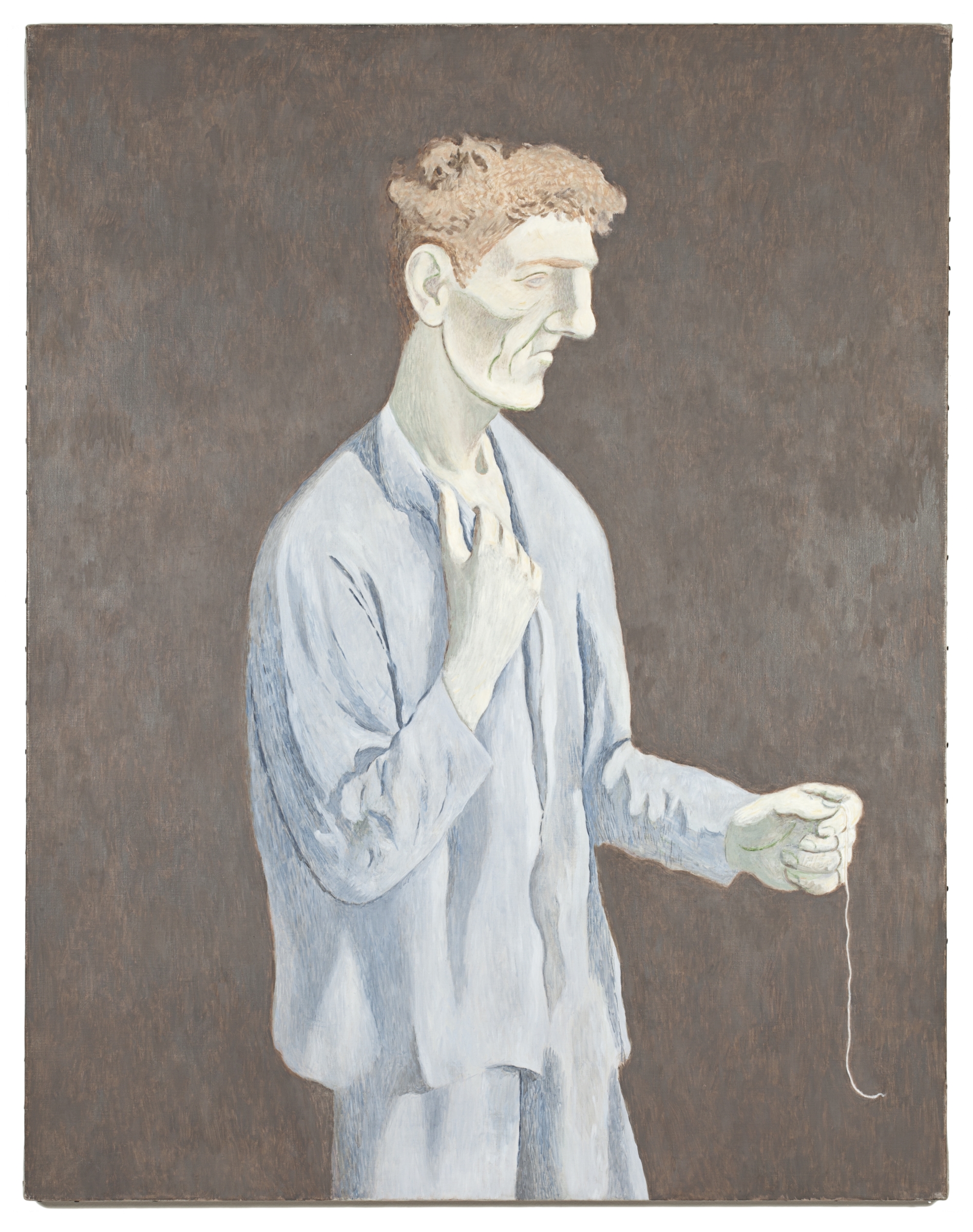
Man with String (P277), 1986, oil on canvas, 42 x 32 in.
 |
 |
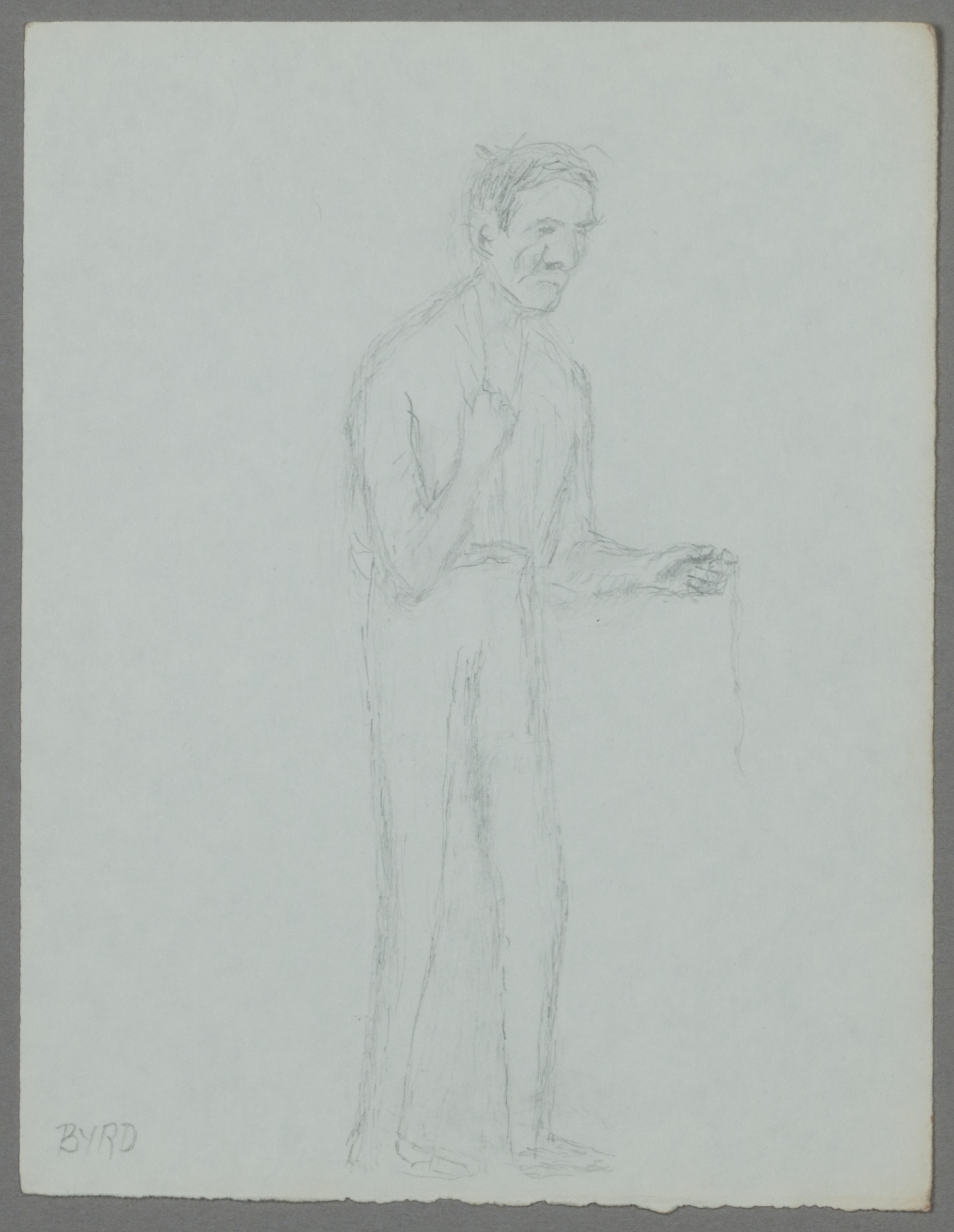 |
Small Drawing 1389 (SD-1389), undated, pencil on paper, 5 ½ x 4 ¼; Small Drawing 1395 (SD-1395),
undated, pencil on paper, 5 ½ x 4 ¼; Small Drawing 1386 (SD-1386), undated, pencil on paper, 5 ½ x 4 ¼ in.
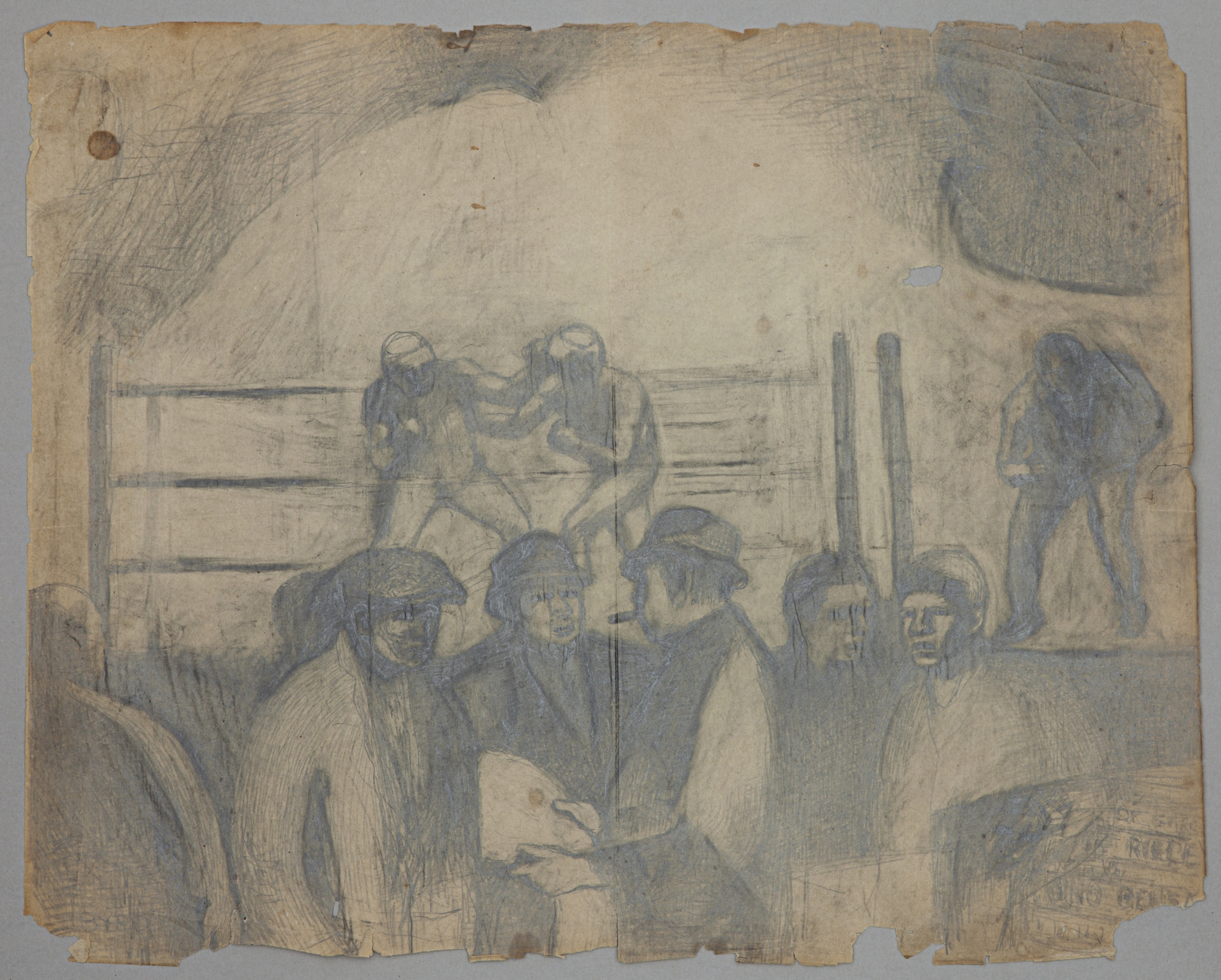
The catalogue follows Byrd's life and artistic trajectory. It includes childhood drawings, scenes of old New York City—soldiers off duty, street scenes, figural studies from David’s time studying with Amédée Ozenfant, watercolors, and pastels. A series of dreamlike drawings on tracing paper of Brooklyn, NY, from the 1950s are relics of a time and place that no longer exist. Loose sketch 155, a study for the painting Sparring Partners, gives a glimpse of this bygone era, as does the spellbinding watercolor of Madison Square Garden.
 |
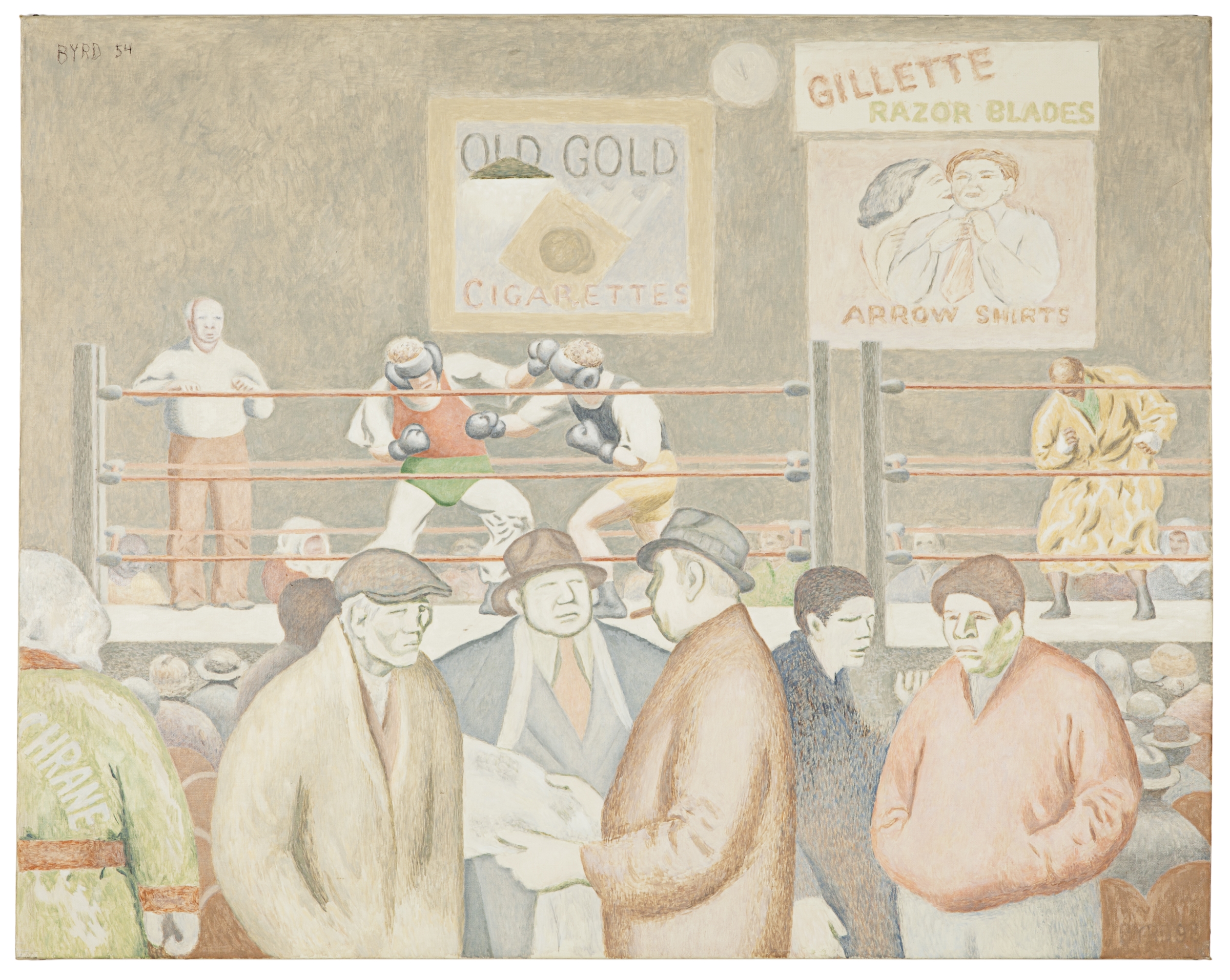 |
Loose Sketch 155 (LS-155) undated, pencil on tracing paper 13 ½ x 16 ½ in.; Sparring Partners (P19), 1954, oil on canvas, 27 x 34 in.
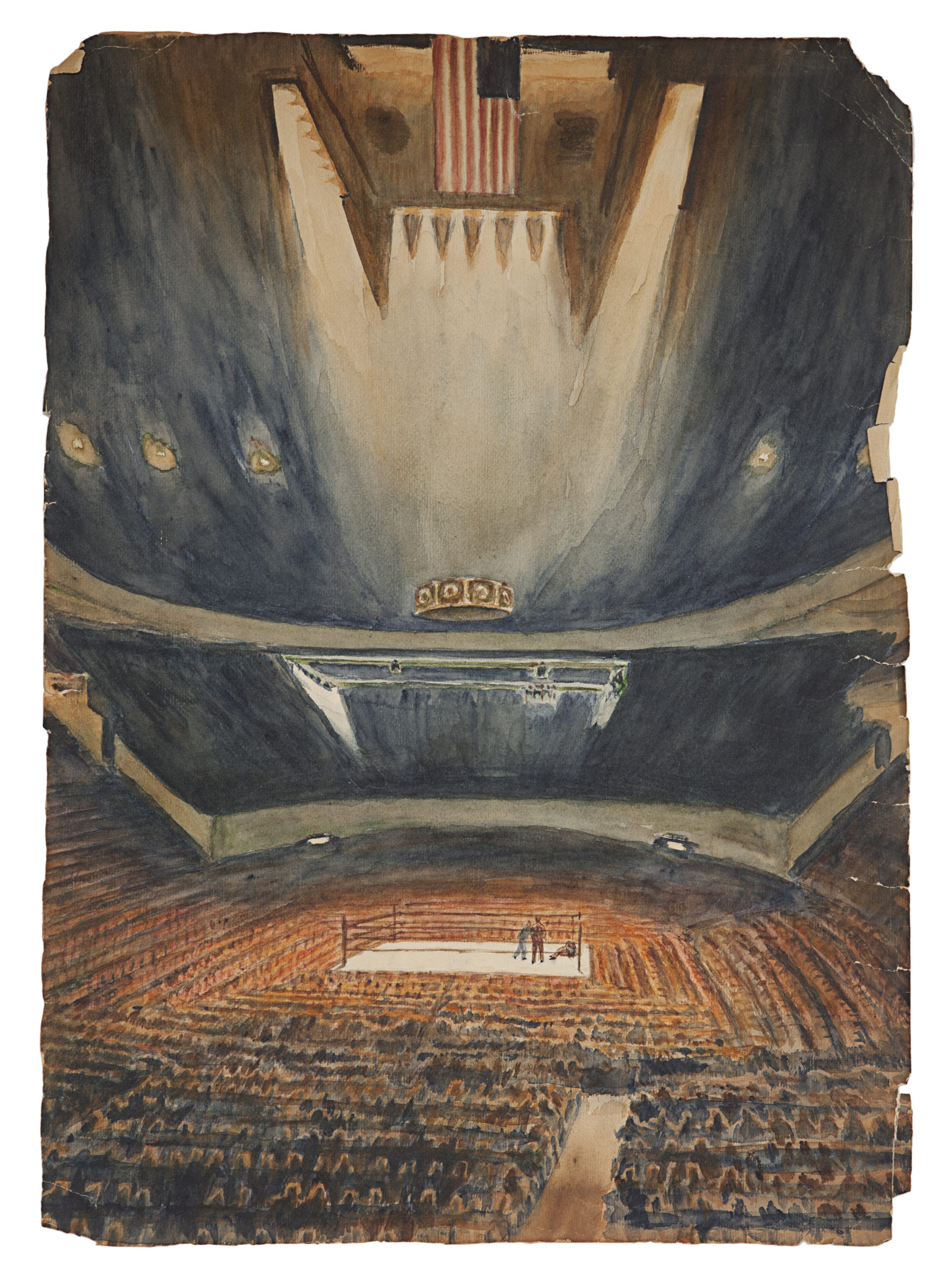
Watercolor 15, Madison Square Garden (WC-15), undated, watercolor on paper, 14 7/8 x 20 7/8 in.
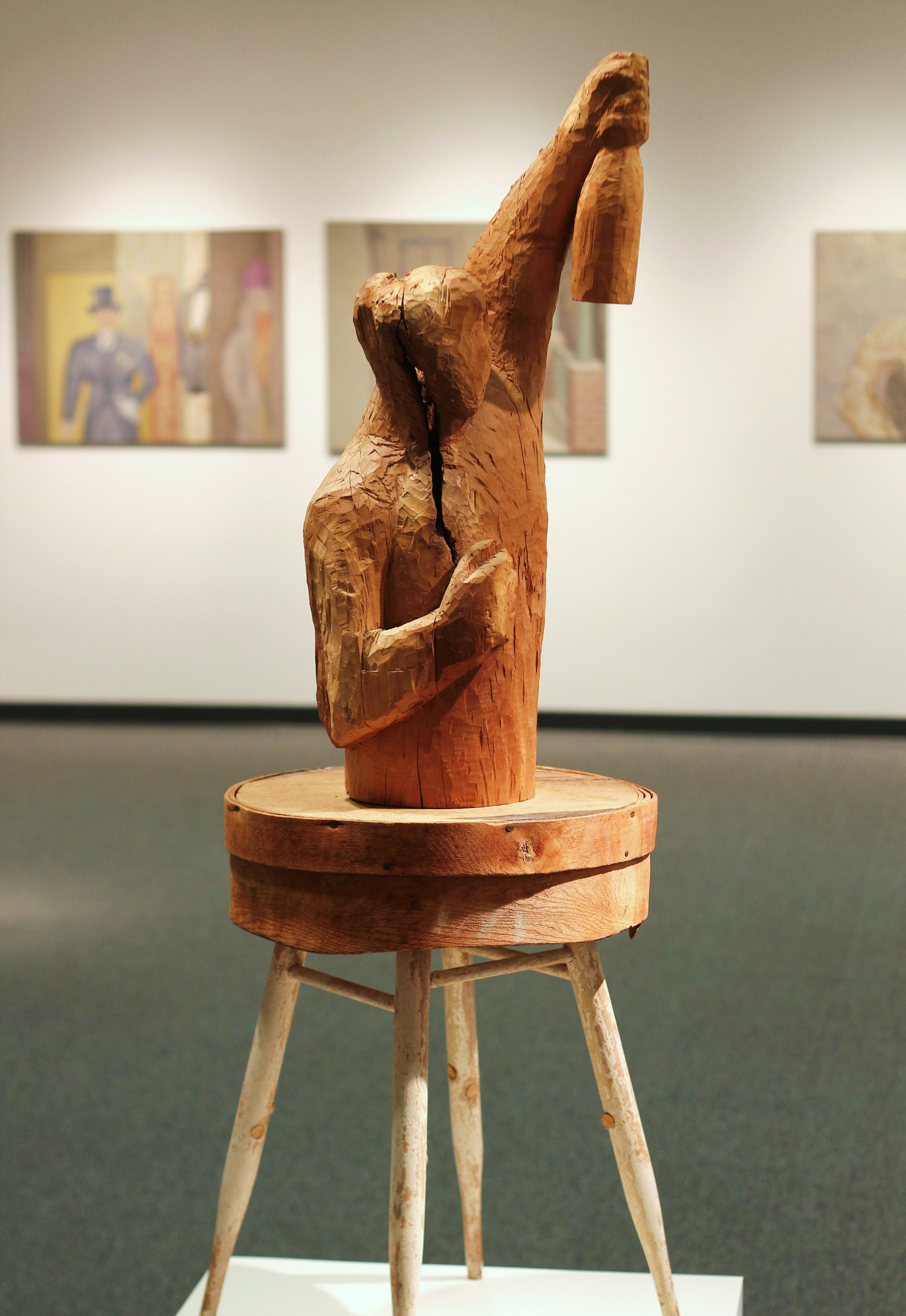
The sculptures and assemblages include carved elements combined with a variety of found objects. However, some are strictly assemblages. All these pieces were intentionally placed in David’s home. A rusty wheelbarrow, ironing board, milkcrate, or car rim have been transformed and repurposed in an artistic context. They were created late in David’s life and speak to his interest in country auctions, bottle collecting, and his fascination with antiques and tools. They have a raw playfulness and physicality that balance the rigor of the paintings.
 |
 |
Centaur (SC/A-3), 1993, wood with hat box and stool, 54 x 16 x 16 in.;
Loose Sketch 87 (LS-87), undated, pencil on paper 10 x 13 in.
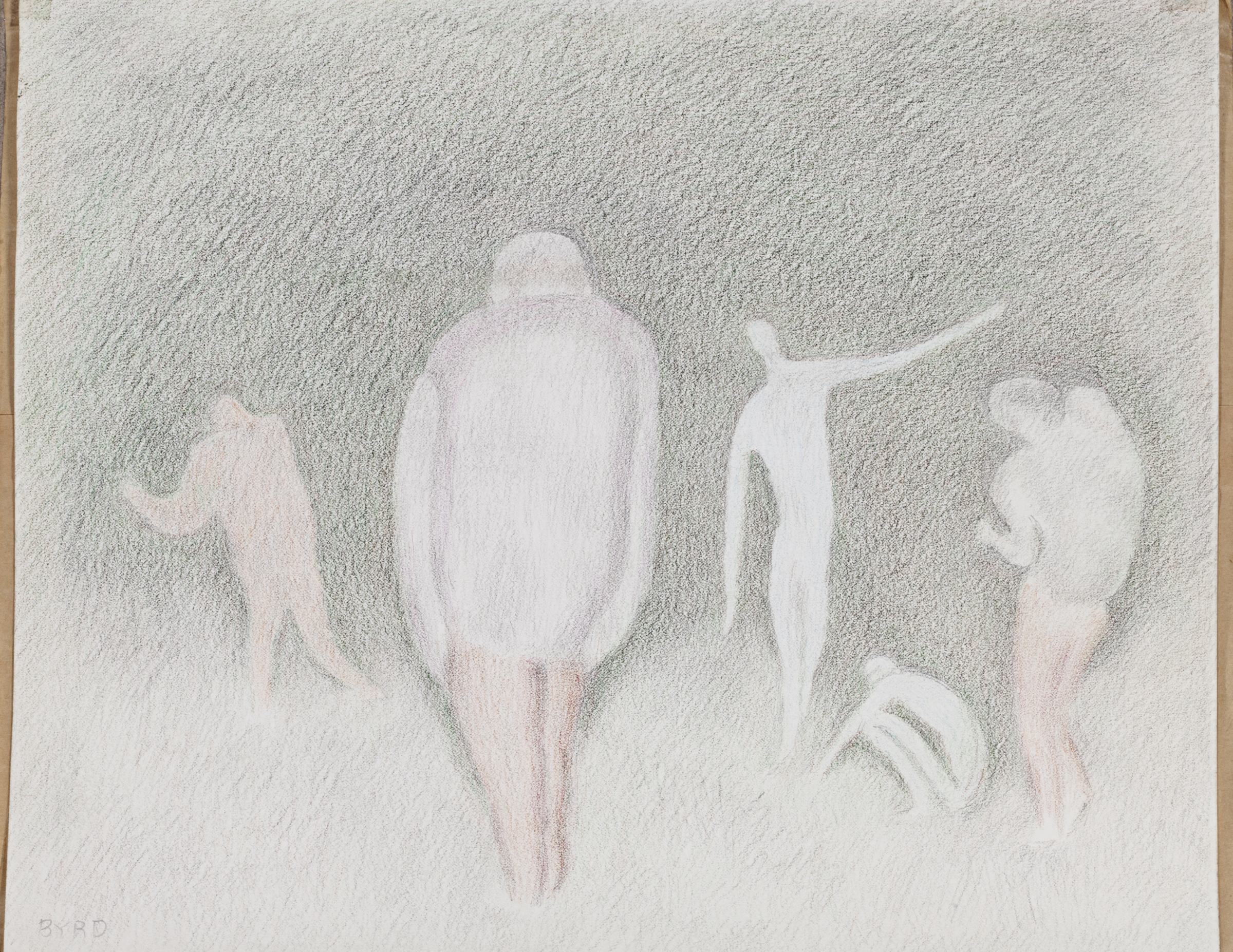
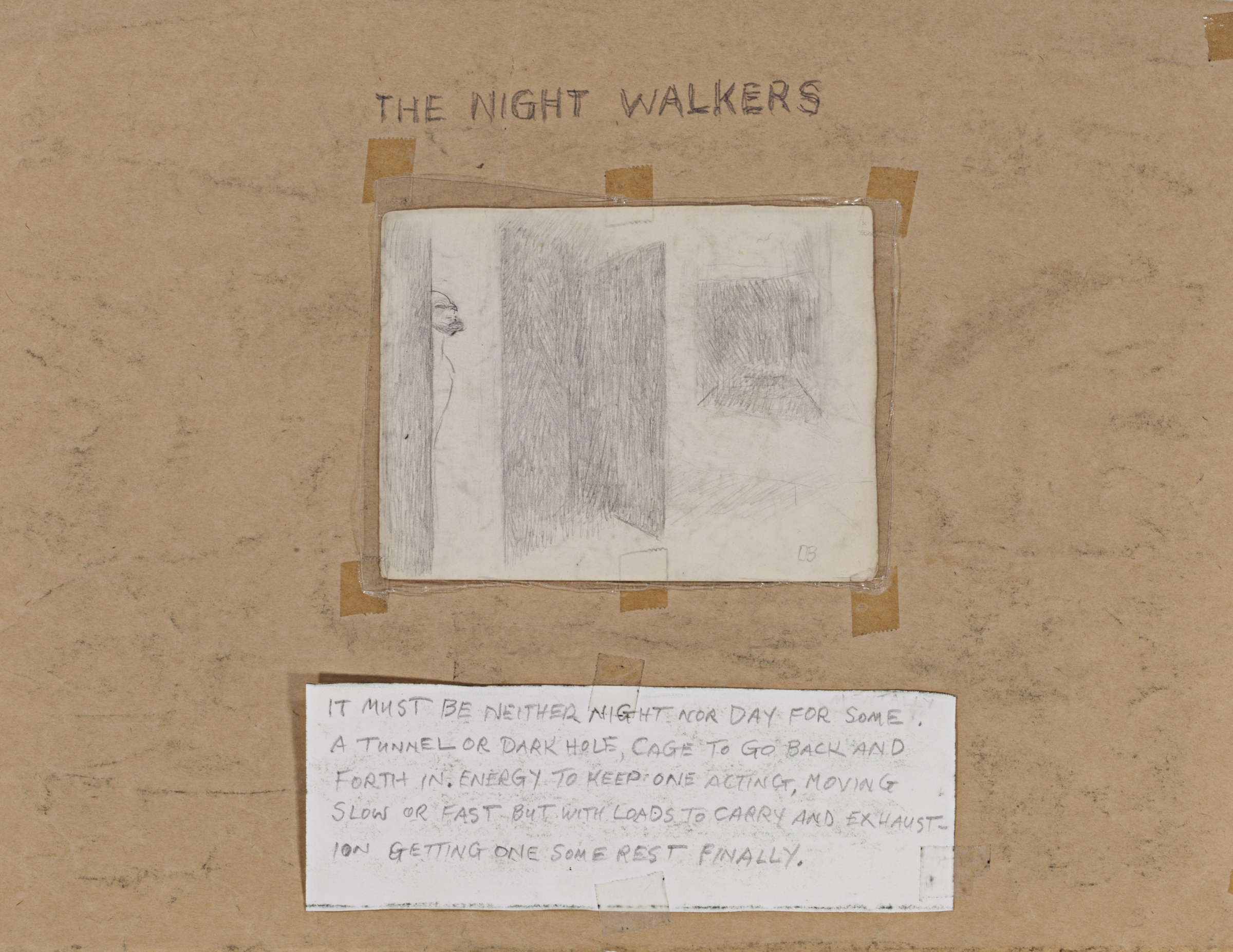
In David’s book Montrose VA 1958-1988, he revisits his job and the patients, probing his memory in the last years of his life. Precise, colored pencil renderings of 58 specific paintings, along with 169 pencil sketches accompanying David’s evocative handwritten text. In this stark statement from the book, he imagines the patient’s predicament—claustrophobic and trapped by both the confines of the hospital and the churning turmoil in their mind. “It must be neither night nor day for some. A tunnel or dark hole, cage to go back and forth in. Energy to keep one acting, moving slow or fast but with loads to carry and exhaustion getting one some rest finally.”
 |
 |
Montrose V.A. 1958-88, p.33 (BK-33), undated, colored pencil on paper, 11 x 14 in.;
Montrose V.A. 1958-88 (BK-34), undated, pencil on paper taped to Kraft paper, 11 x 14 in.
In 2003, David began writing a series of letters to publishers about the book. He was growing old. It was a valiant last attempt to finally gain recognition as an artist. Despite his efforts, he was unsuccessful. In one letter, he writes about the VA: “During my time working there I painted and drew the daily existence of the patients that I got to know. Or tried to. Looking over the results lately I thought they might be good as a collection in a book not as much a manual, brochure, or expose though a little of that is unavoidable but as a worthwhile experience of observation and imagination. It is about an institution or it could be said about a place of business, mental illness being the business. I was naturally not involved in everything there, somethings are missing for instance I always worked 4 – 12 a.m. and mostly in the same building with middle-aged patients. But I saw enough.”
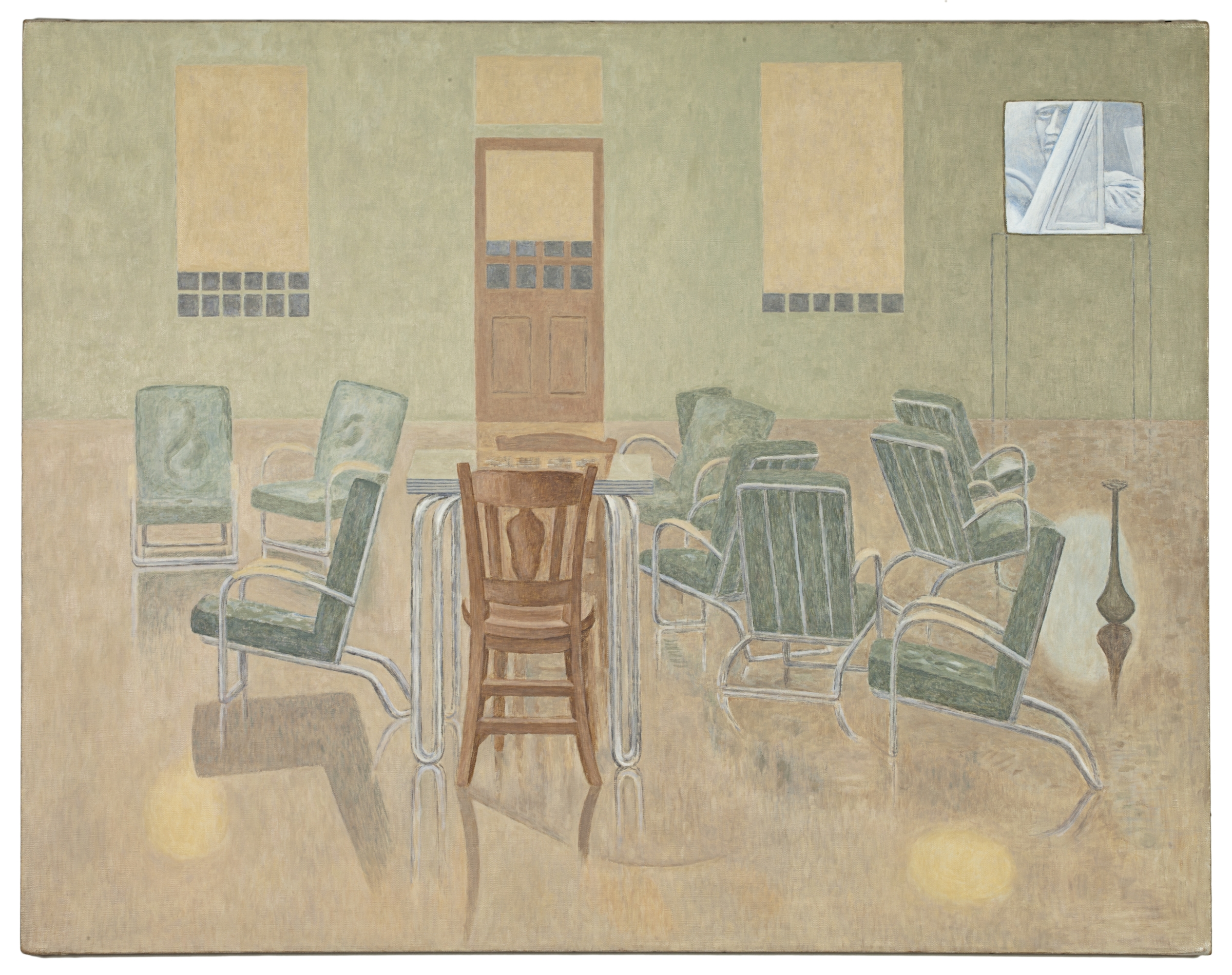 |
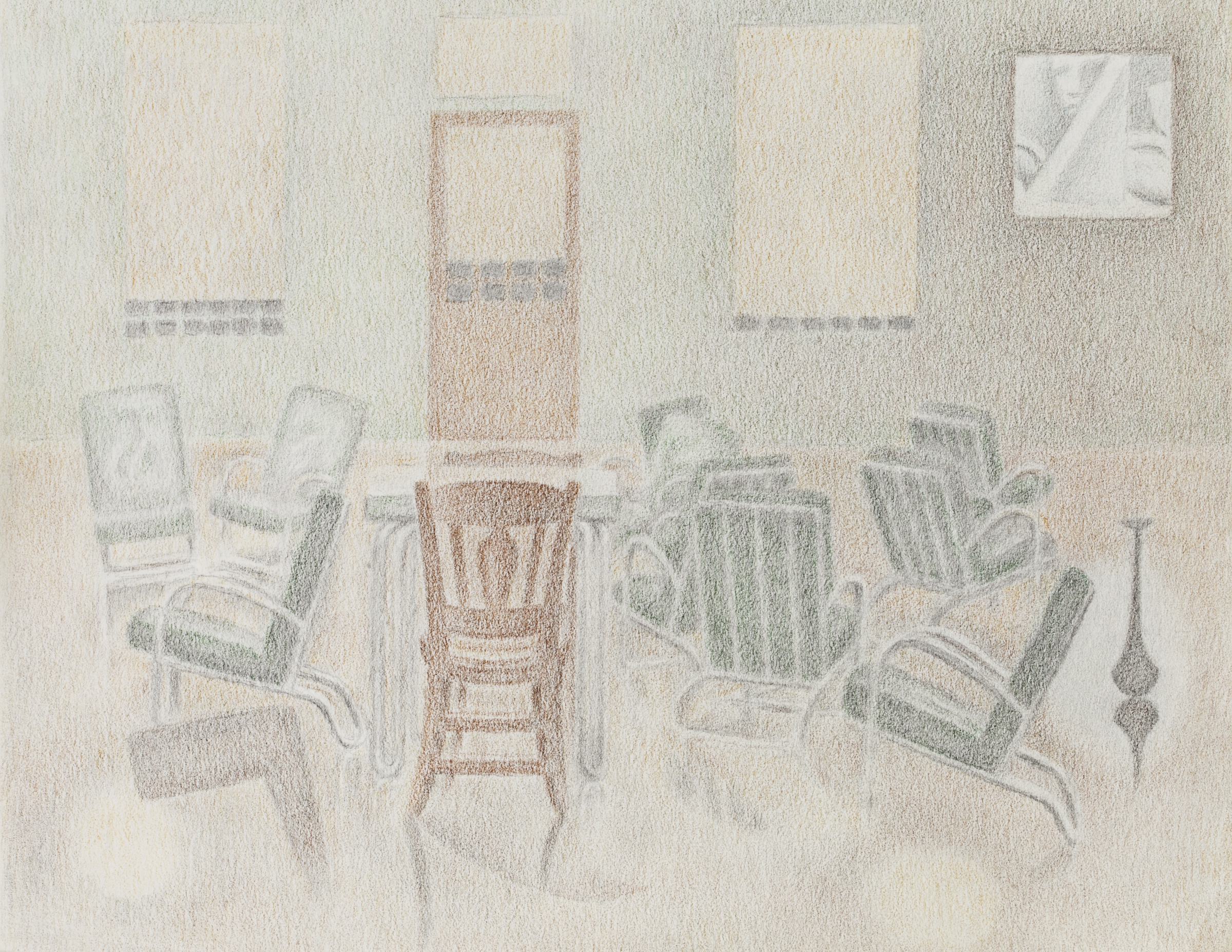 |
Lights Out (P278), oil on canvas, 1993, 33 x 44 in.;
Montrose V.A. 1958-88, p. 174 (BK-174), undated, colored pencil on paper, 11 x 14 in.
David died on May 30, 2013, a month after his first and only professional gallery exhibition. Jody and I were heartbroken. However, we continued our mission, organizing exhibitions and holding events to contextualize the work. Our great belief in David had not wavered. In the summer of 2017, we held a series of 10 exhibitions, Ten Stops, that correlated to his biography. It was quite an undertaking. One of the “stops” was a retrospective at David’s home, open to the public. Small groups of people would enter, speaking in hushed tones, and wander from room to room. Then they would sit down near David’s easel and watch the 11-minute video that Andrea Hull had made of him speaking about his life. The conversations that ensued with people from all walks of life were honest and heartfelt. They mentioned aspects of their own lives that paralleled David’s life or work, revealing personal and buried parts of themselves. Often, he’d touched them so deeply that they needed to compose themselves before getting in their car and driving away. These experiences were exceptionally powerful for me.
Having this bird's-eye view uncovered something deep within myself too. Documenting David’s life, from a childhood drawing in a 1938 newspaper contest to his last painting, Lights and Wire, changed me more than I ever imagined. I thought about David’s great subject, the patients. After all, my dad, my grandpa, and all my uncles were veterans. I wondered who the men David painted really were. Did they have families to visit them? Did they recover? Did the man in Patient Homeward Bound break free from the hospital for good—because I was rooting for him? I thought long and hard about David’s family—my own family—the thread of mental illness that coursed through our genes. The questions that David asked in his book or scrawled on scraps of paper or on the back of an envelope were my questions too.
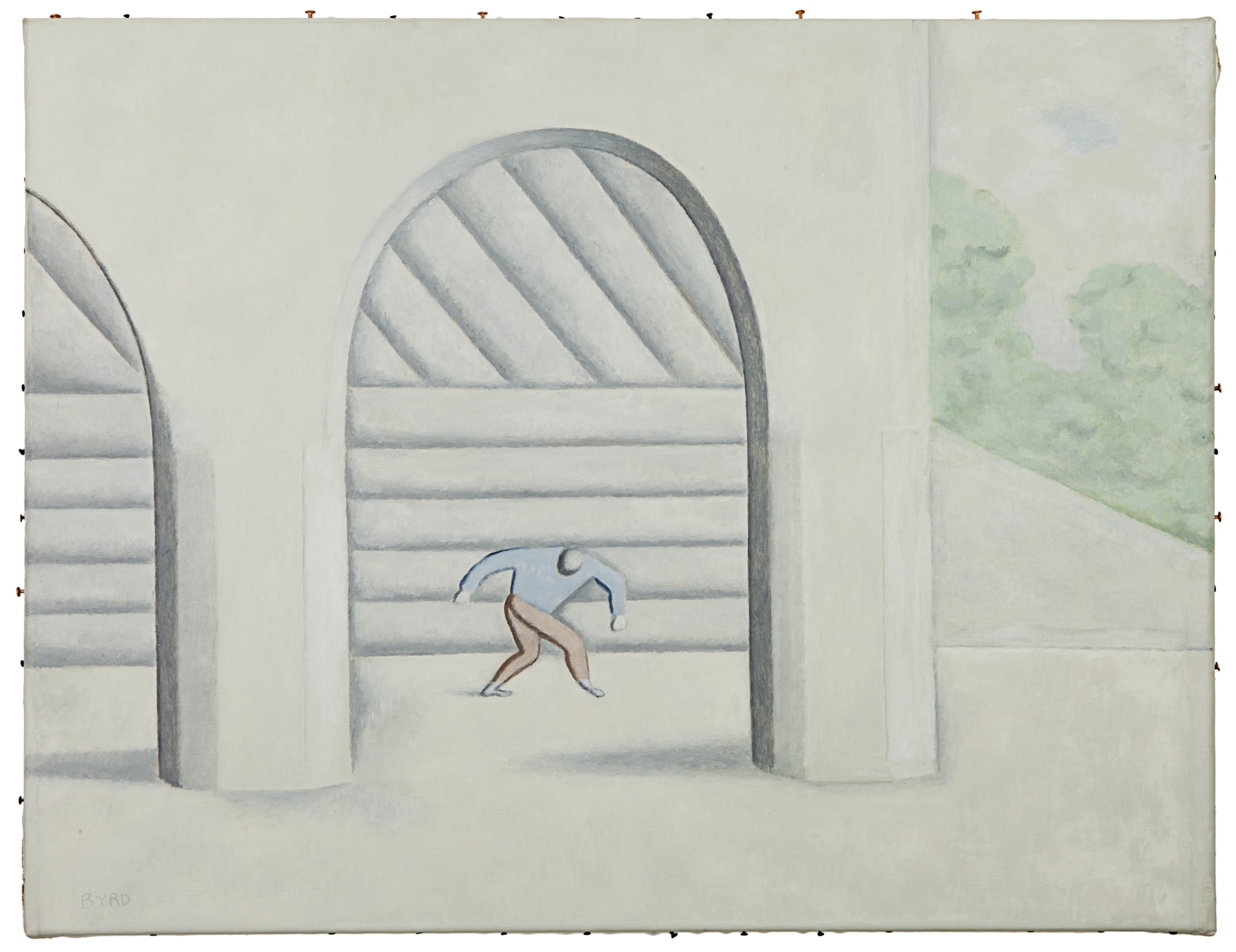
Patient Homeward Bound (P60), 2013, oil on canvas, 23 x 30 in.
The VA work began to feel personal. It provoked me, activated me, and, in all honesty, agitated me. I needed to know more about the patients. I sent a mockup of Montrose VA 1958-88 to my aunt, who had spent time in a variety of psychiatric hospitals as a young woman. She read the book and called me, saying David was her hero. There was a sense of relief in her voice as she spoke honestly about the shock treatments she’d endured at 21 years old. She wanted her experience to be known, like the patients in David's paintings. Thus, I began to immerse myself in the state of mental health care in my community, joining my local chapter of the National Alliance on Mental Illness and taking their family-to-family class. I met advocates and introduced them to David’s work. Suddenly, there was a buzz in the community. Although David wrote that many in his care remained institutionalized their whole lives, I began hearing about recovery if the right support was available. I met peer advocates and started recording their recovery stories. Through their lived experiences, I better understood the barriers that people with mental illnesses face today. The desperation and degradation my friends endured were appalling. Not only was their condition devastating, but the system of care that was supposed to help them was inadequate and sometimes dangerous. Jody and I decided it was necessary to broaden the discussion. We started holding mental health-focused events in conjunction with some exhibitions. On a frigid January day in 2015, we held Hope & Healing: Perspectives on Mental Illness. Over 100 people filled the conference space. In a rural county where cows outnumber people, the turnout said a lot about the need locally. Through these profound experiences in my community, I gained a deeper understanding of the men in the Montrose hospital paintings, David, myself, and my family. I am forever changed.
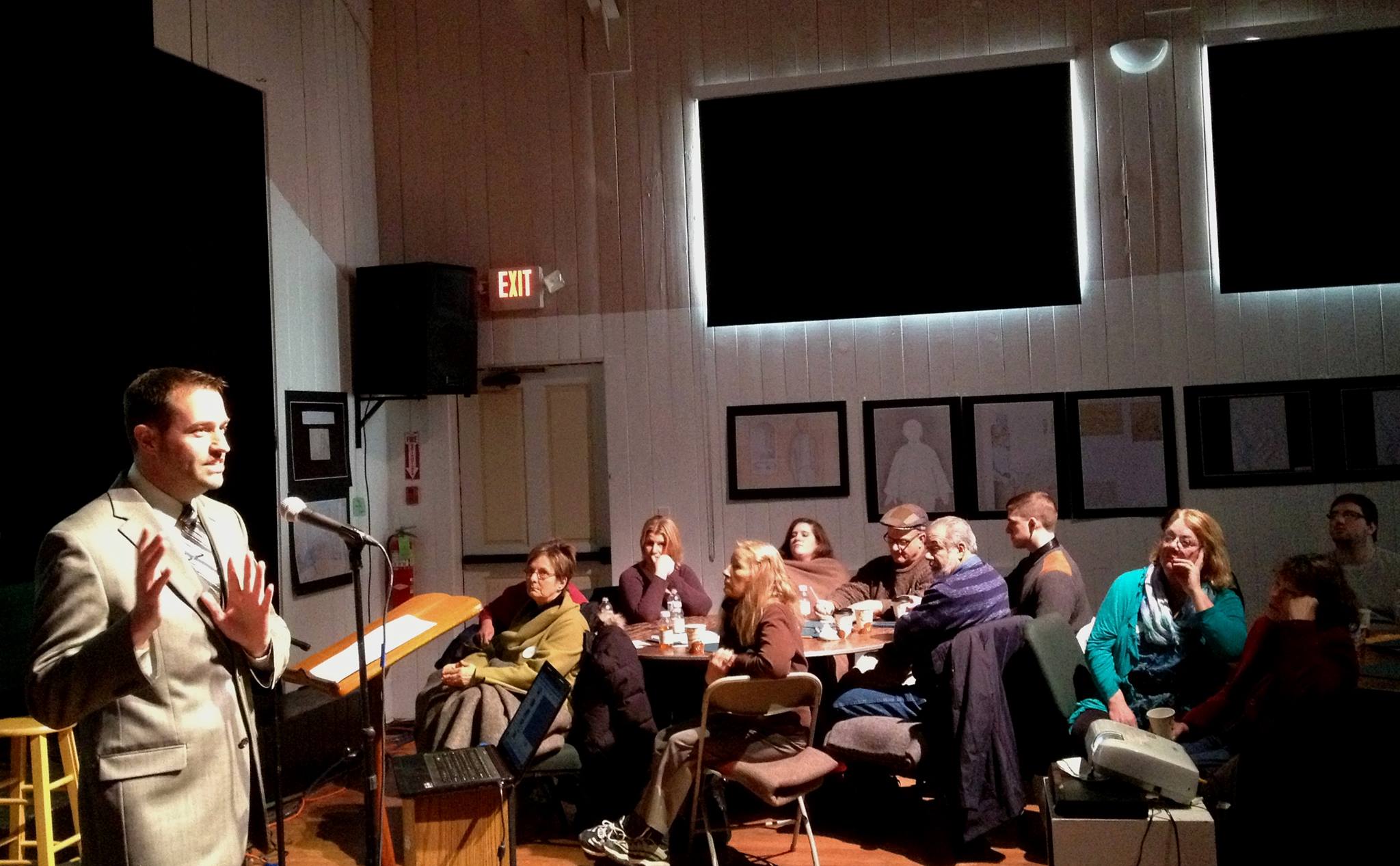
Keynote speaker Jason Paden shares his life story of living with a mental illness at
Hope & Healing: Perspectives on Mental Illness, Roxbury Arts Group, Roxbury, NY, 2015.
David has given us an entry into what is often a difficult topic. His work is relevant, brings people together, and begs us to collectively ask important questions and confront long-held stigmas. In the painting Lobotomy, a single nearly symmetrical figure in pale green stares out at the viewer, part patient, part monk in a meditative state, a relic of mental health care’s past. David said, “He's an old timer and apparently one of the last lobotomies.” David had a front-row seat to the deinstitutionalization of the mental health care system. Today, we are living in the aftermath. The inhumanity and injustices are great. County jails and prisons are today’s psychiatric wards. Rural America has been hit hard. People are often lost in an endless loop between the streets, jails, clinics, courts, and a shrinking number of hospital beds. Recovery is extremely hard. David states in his book, “The indignities are many and deep and frightening.” How can we change the direction of the mental health care crisis in our midst? How can we be a more compassionate society and offer humane answers?
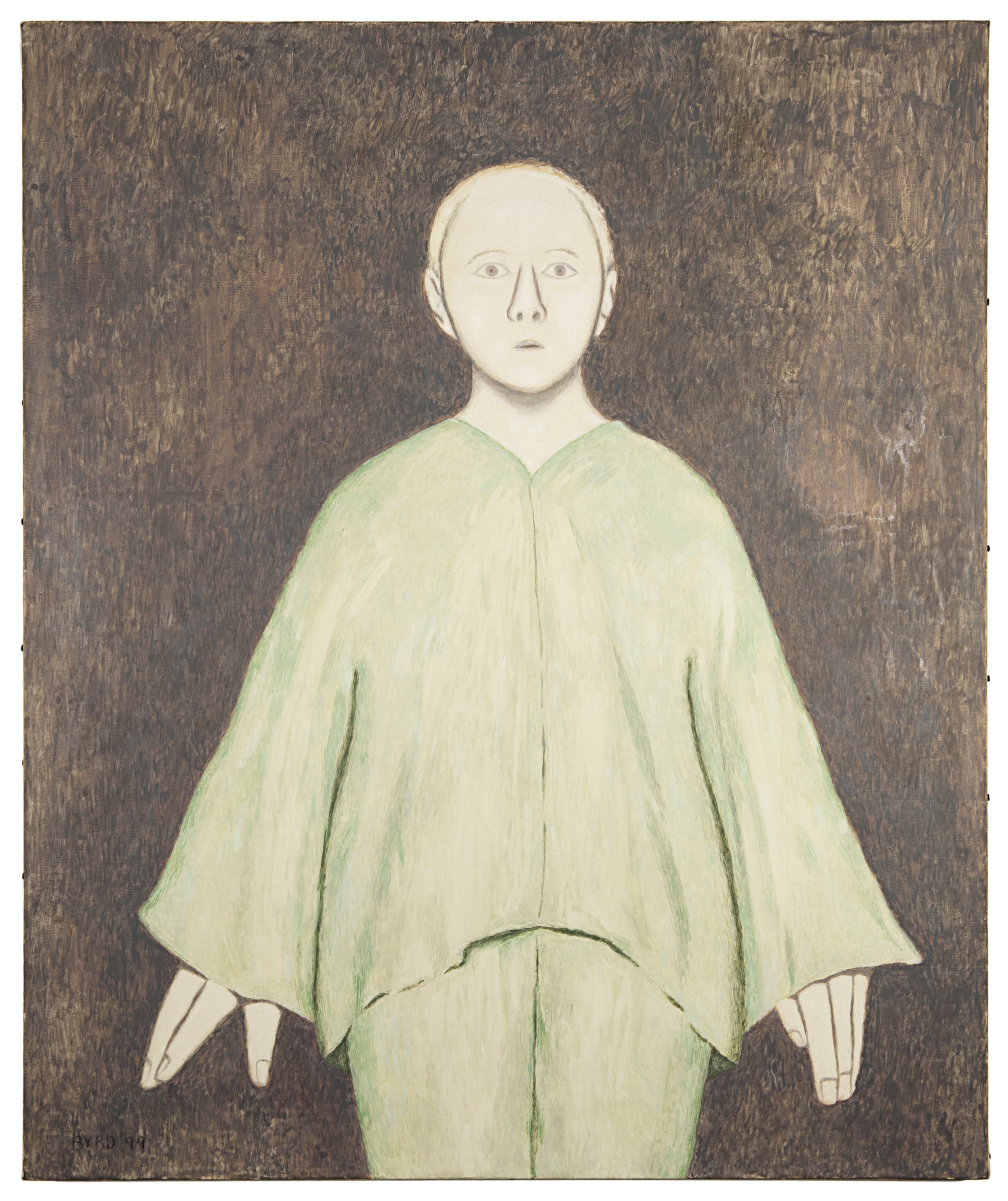
Lobotomy (P264), 1999, oil on canvas, 36 x 30 in.
In 2013, I found a group of employee complaint forms David had filed against his coworkers at the VA. He was defending the patients from neglect; he writes, “To keep patients from walking by her in the hallway the nurse locked the door to the ward and then went back and sat down to continue to watch TV alone and in peace. She said she did not have to put up with that stuff. When I asked what she meant because it seems that “stuff” is to lend a hand and an ear, to be what we are here for… It is a strange sight and not at all reassuring for one involved in the care and treatment of psychiatric patients to see a nurse that almost totally excludes them.” David allied himself with the patients. He’d observed, cared for, sketched, and painted these men for decades. His own father had been “the patient” once, institutionalized in the 1930s, dying when David was a boy, a likely suicide. On the back of another VA complaint, there is a note. David is offering to pay a man $150 for dismantling a garage. He was collecting salvaged wood to build a home. His 30-year tour at Montrose VA was coming to an end. He’d soon retire, move further upstate, and leave the patients he’d come to know so intimately—maybe better than anyone else in his lifetime. However, these men are not forgotten or shut away from society, like many people with mental illnesses have been in history. Through David’s paintings and book, the men of Montrose VA Hospital have been transformed, a testament to the suffering, endurance, and strength of humankind. Like the man in Patient Pondering who peers out a tiny window, wearing a hat, dressed in “street” clothes, dreaming of life outside the hospital, we too have an opportunity to envision and build a more hopeful and compassionate future.
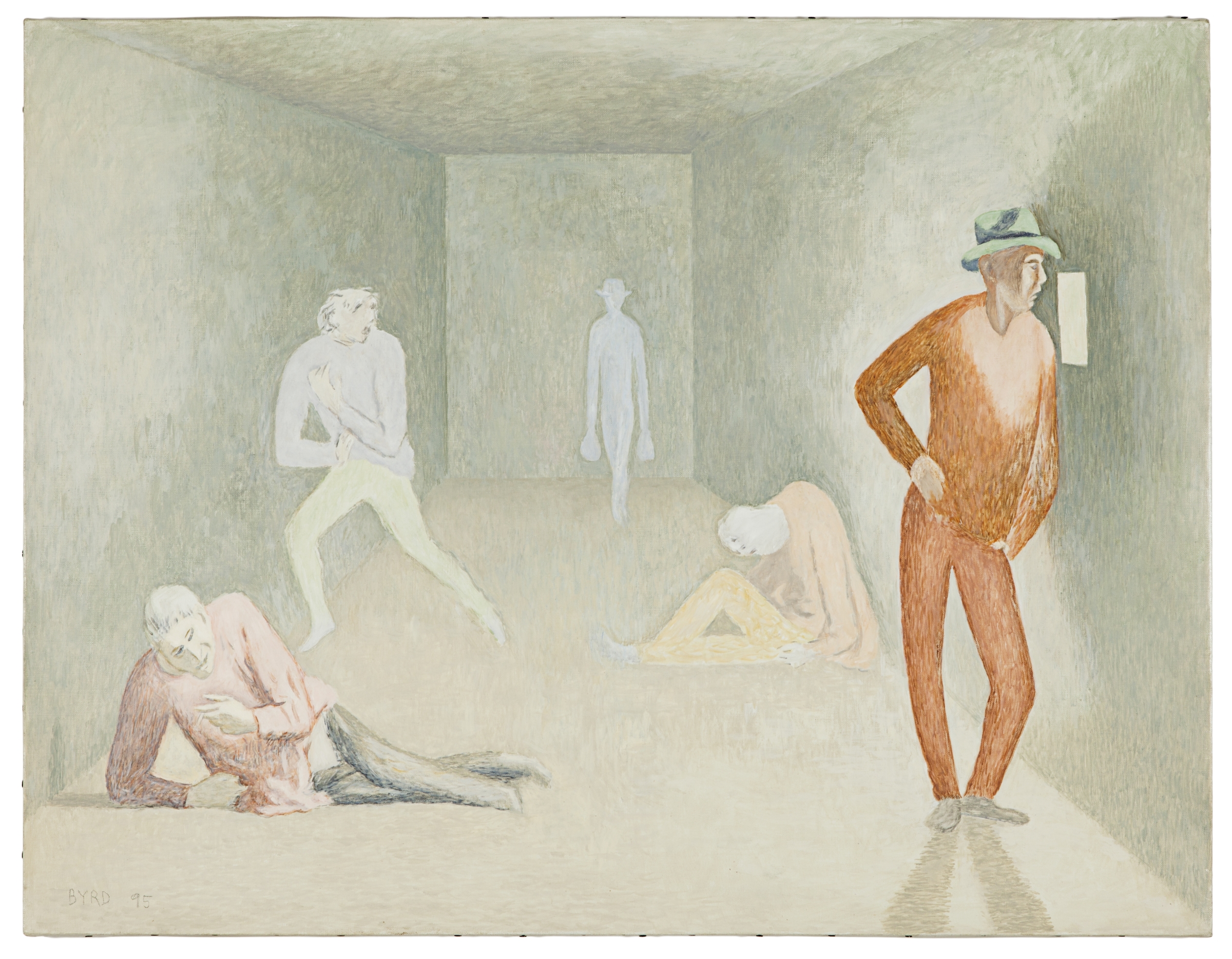
Patient Pondering (P90), 1995 oil on canvas, 24 x 31 in.
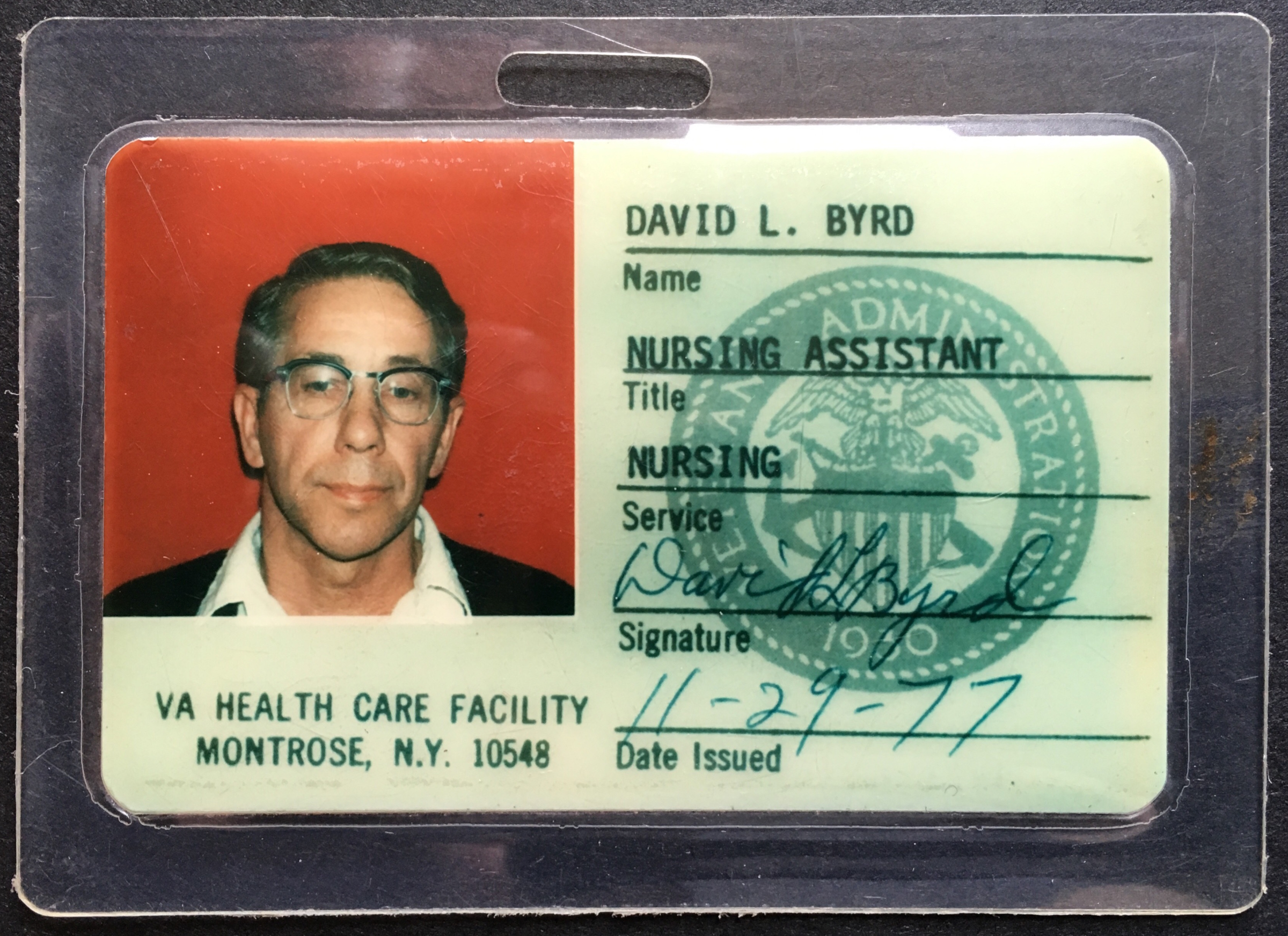
David Byrd, VA identification card, 1977
In closing, I often think back to one day when I spent hours surrounded by David's paintings in the storage barn. It was a few months after he had died, and I was wrapping the paintings up. I gathered a group of them and took a long look. The late afternoon sunlight streamed into the barn. A bird flew in the window, circled the space several times, landed on the window frame, and appeared to be watching me work. I thought maybe this was a sign from the Byrd-man himself. I called out, "Jody and I are taking good care of your paintings, David.” The bird flew out of the window. And so, this journey continues, bringing David Byrd to the world.
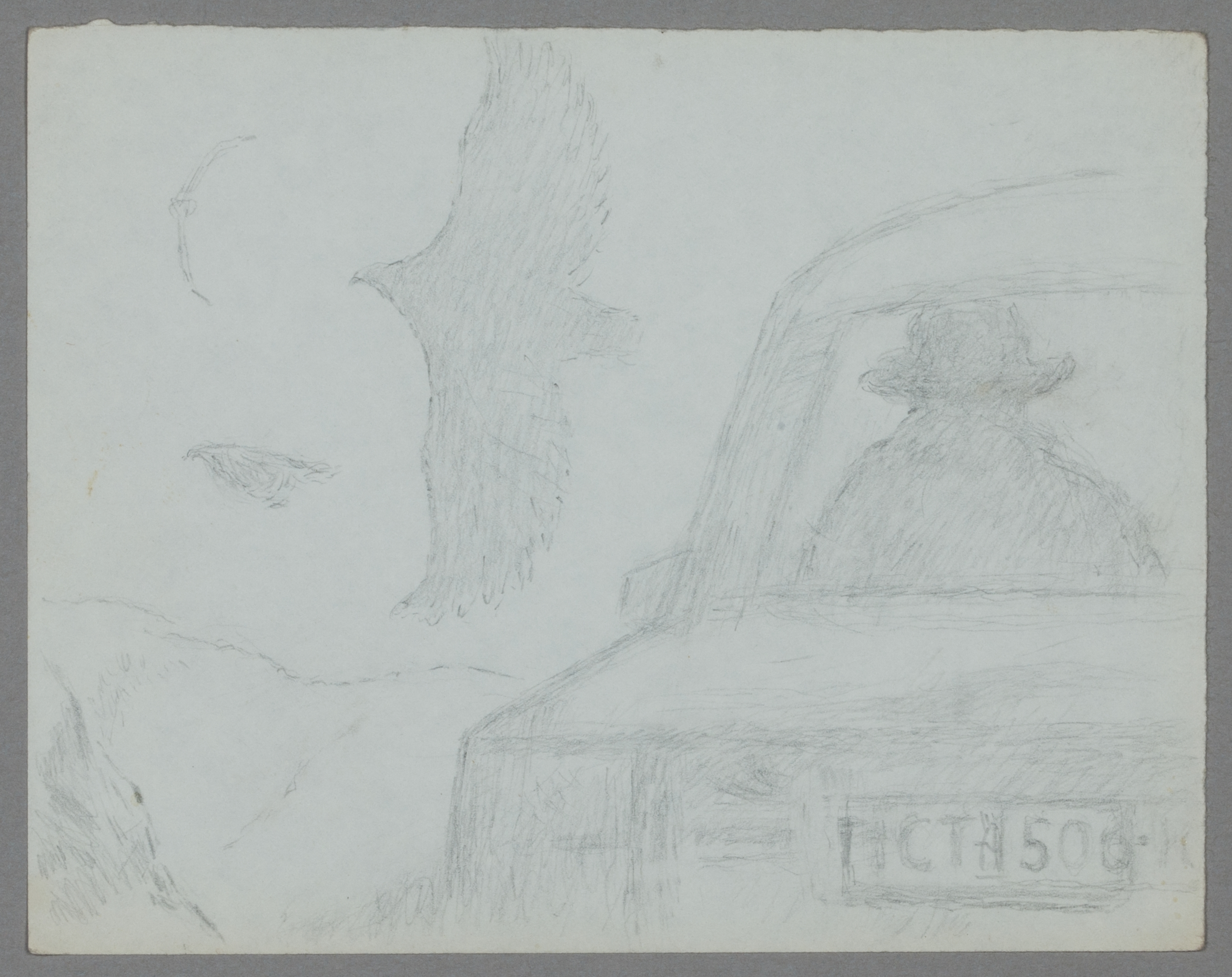
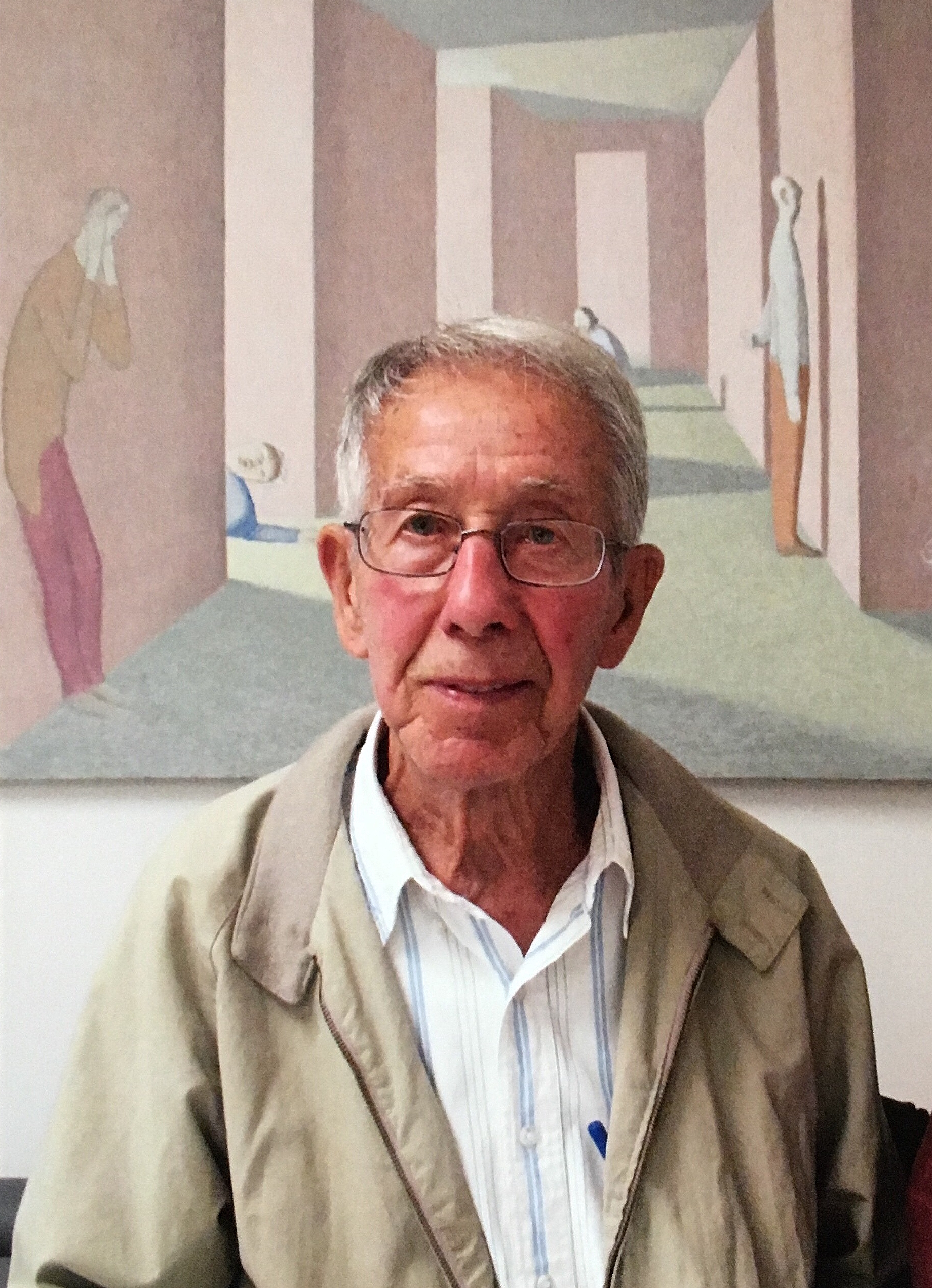
Jessica Farrell
Sidney Center, NY, August 2024
Jessica Farrell is a painter who lives in the Catskill Mountains. She manages the David Byrd Catalogue Raisonné. Knowing David Byrd inspired her to create paintings about her family, mental illness, and peer recovery advocates in her community.